

Today's Crossbreeds
Today's boom

Britain's dog population is bigger than ever, and still growing. A new generation of owners, and a global pandemic, have reshaped which dogs we choose and why.
The most common breeds tell the story of changing tastes. Among dogs of all ages the classic Labrador still leads, but among puppies the French Bulldog and the Cockapoo have raced to the top, a clear sign of the designer-crossbreed boom. The pack brings both worlds together, the old favourites and the new, each with centuries of history behind them.
- The UK dog population has risen from around 8.2 million in 2011 to between 11 and 13 million today.
- More than three million UK households welcomed a new pet during the pandemic.
- Younger owners now make up a fast-growing share of the dog-loving population.
- Designer crossbreeds like the Cockapoo and Labradoodle have surged in popularity.
- The pet-tech market alone, covering smart feeders, cameras and GPS trackers, is now worth over 400 million pounds.


Into the modern home
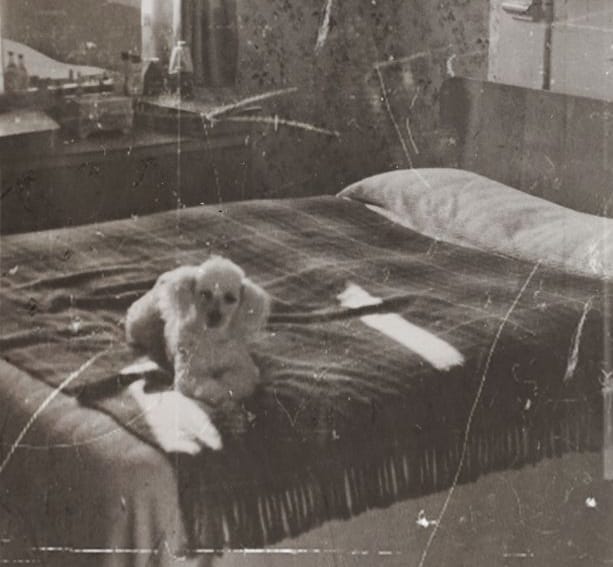
Through the twentieth century, the dog's place in British life became firmly domestic. No longer just workers or status symbols, dogs settled in as everyday members of the household.
As Britain became more urban and homes grew more comfortable, dogs came indoors for good. The relationship deepened from usefulness into genuine companionship. By the end of the century, the question was no longer what a dog could do for you, but simply the pleasure of its company, a shift that set the stage for the boom still unfolding today.
- Dogs became fixtures of family photographs, holidays and daily routines.
- Veterinary care, commercial dog food and training advice grew into established industries.
- Breeds rose and fell in popularity as fashions and lifestyles changed.
- The dog moved from the yard to the hearth, and often to the foot of the bed.


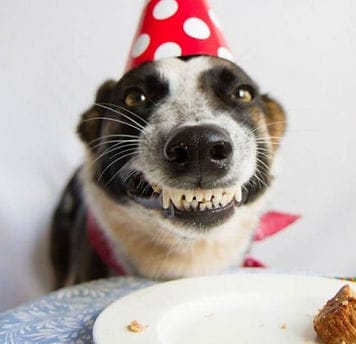

The crossbreed is Britain's newest dog story. The cockapoo, the labradoodle and the cavapoo were made on purpose, for temperament and coat rather than for a breed standard, and they now outnumber many pedigree breeds in British homes. It is the oldest idea in dog breeding, bred for the job at hand, wearing a new name.