Argos: The Dog Who Knew His Master
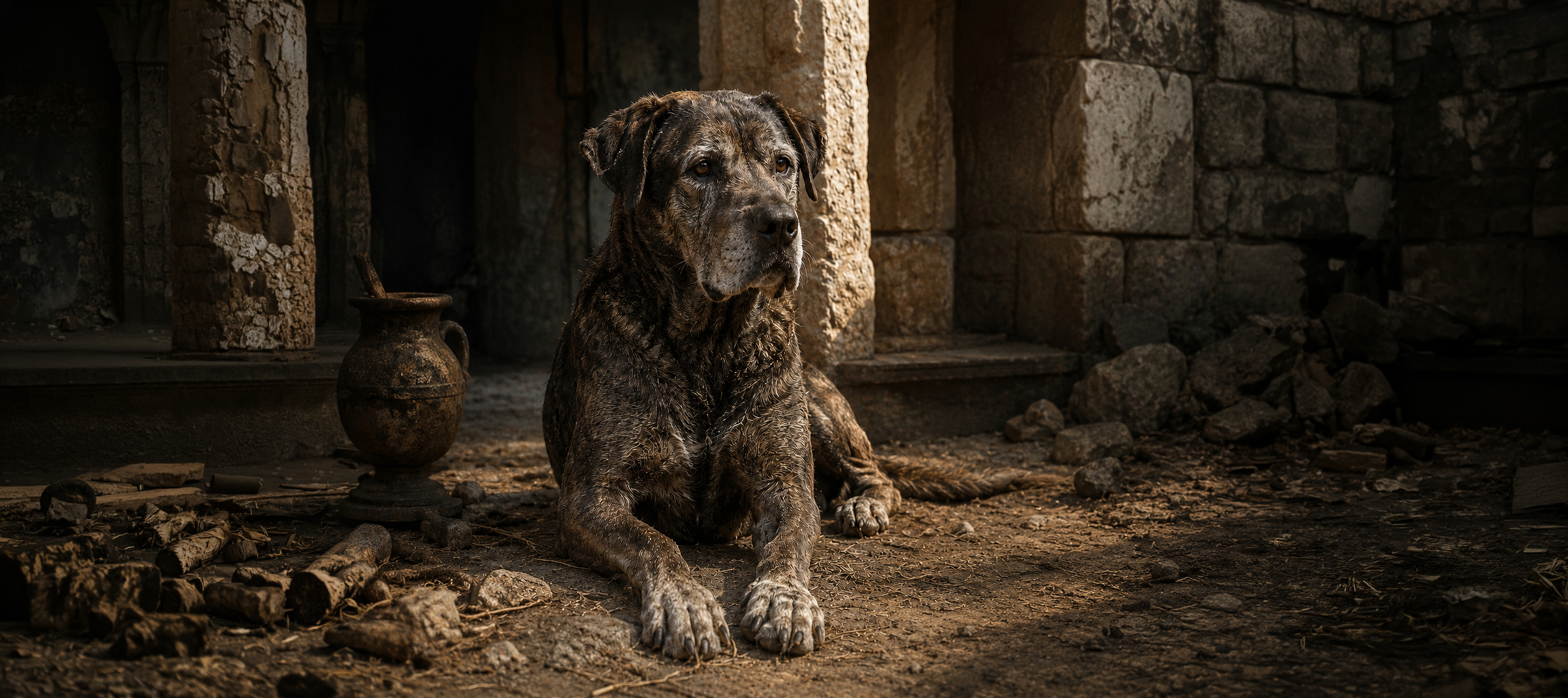
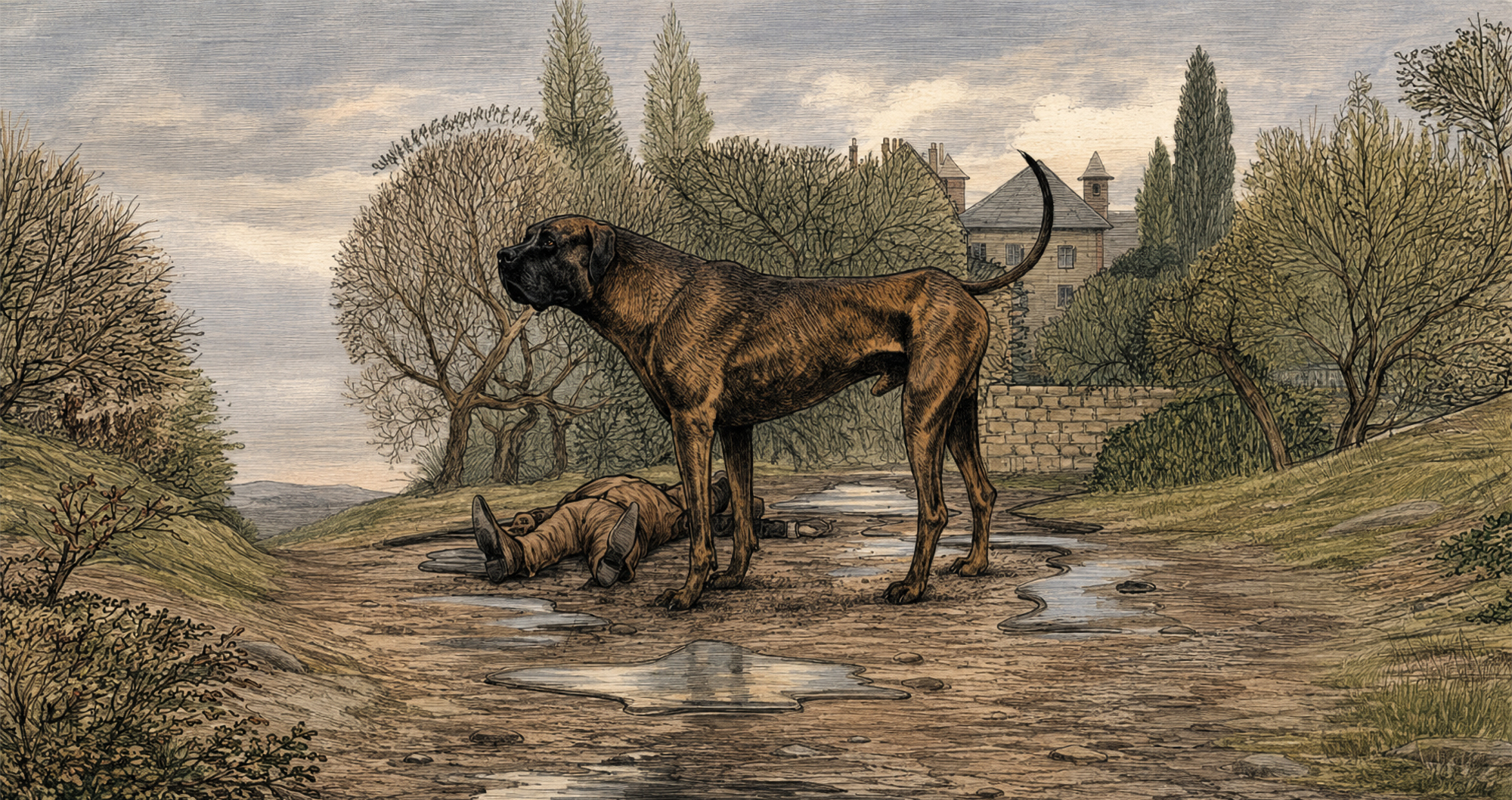
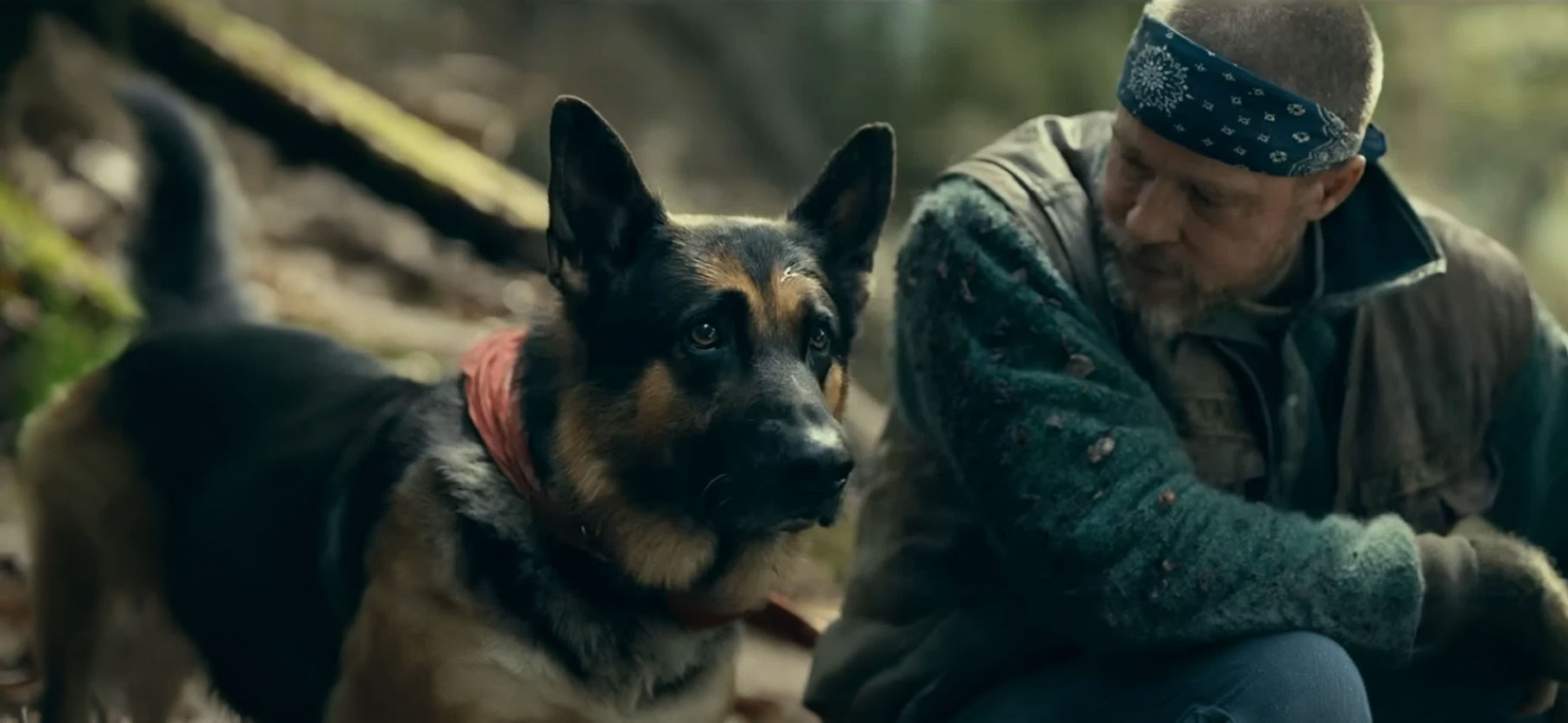
Before Lassie, before Greyfriars Bobby, there was Argos. Homer's dog from The Odyssey waited twenty years for his master to return.
Read the essay →An essay series
Fictional dogs are rarely just dogs. They get cast as heroes, monsters, loyal companions and dangerous outsiders. Their size, breed and appearance become shorthand for the role the story needs them to play.
This series looks at some of the most famous dog stories and legends and asks what effect this has had on our conceptions of the actual breeds and the effect of that portrayal.
Before Lassie, before Greyfriars Bobby, there was Argos. Homer's dog from The Odyssey waited twenty years for his master to return.
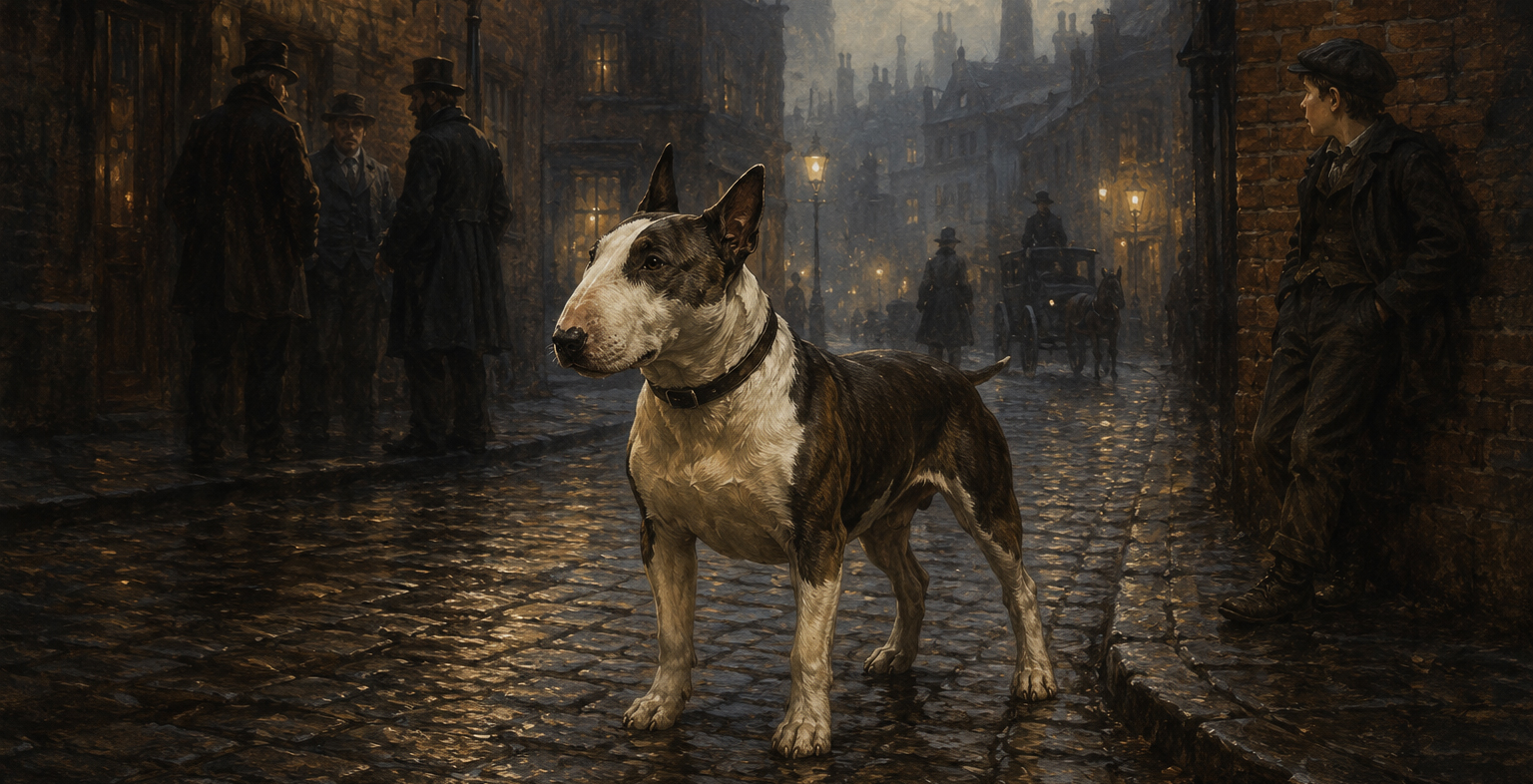
Read the essay →Bull's-eye belongs to Bill Sikes, one of Dickens's most violent characters. He is not simply a bad dog -- he is a dog made to carry a bad man's reputation.
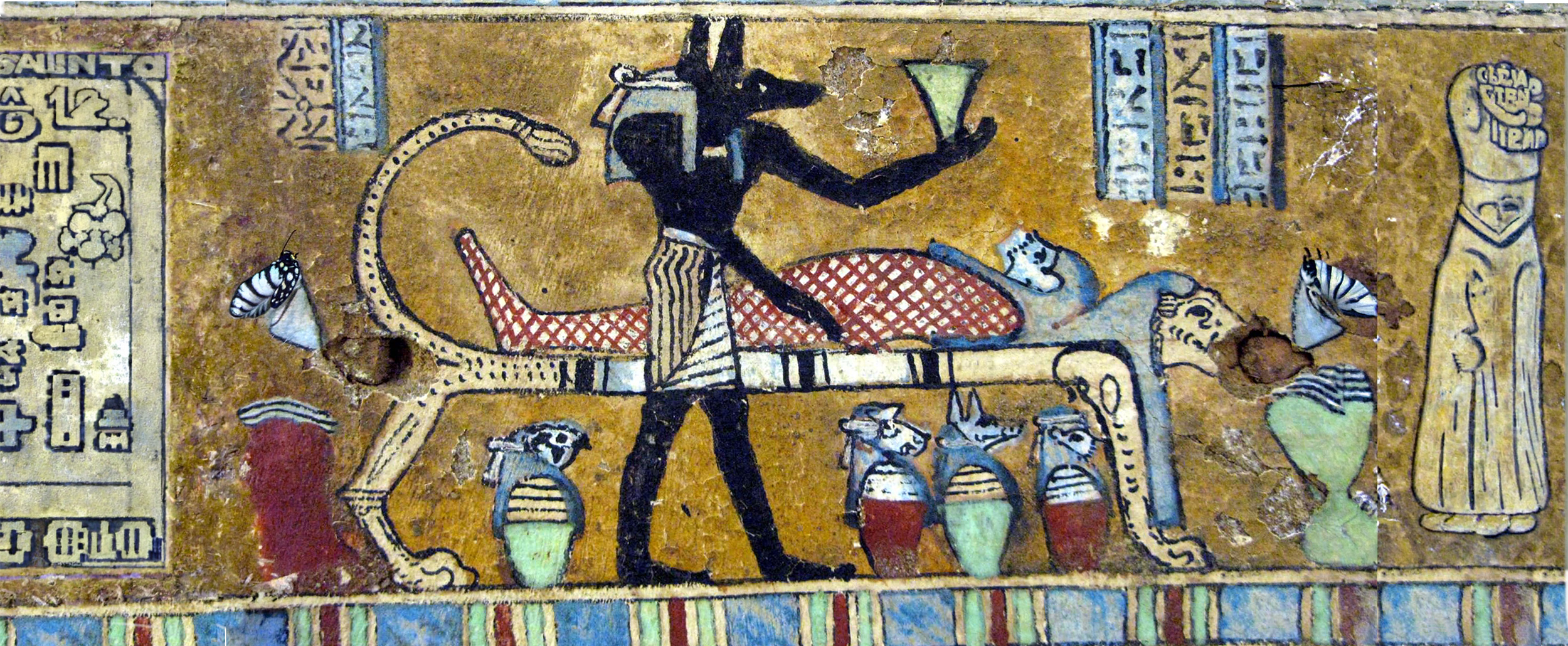
Read the essay →The Egyptians made a dog the god of death -- and it turns out almost everyone did. From a jackal digging up desert graves to a Suffolk hellhound, an essay on the dog we keep posting at the door of the dark, and why we thanked it by turning its name into an insult.
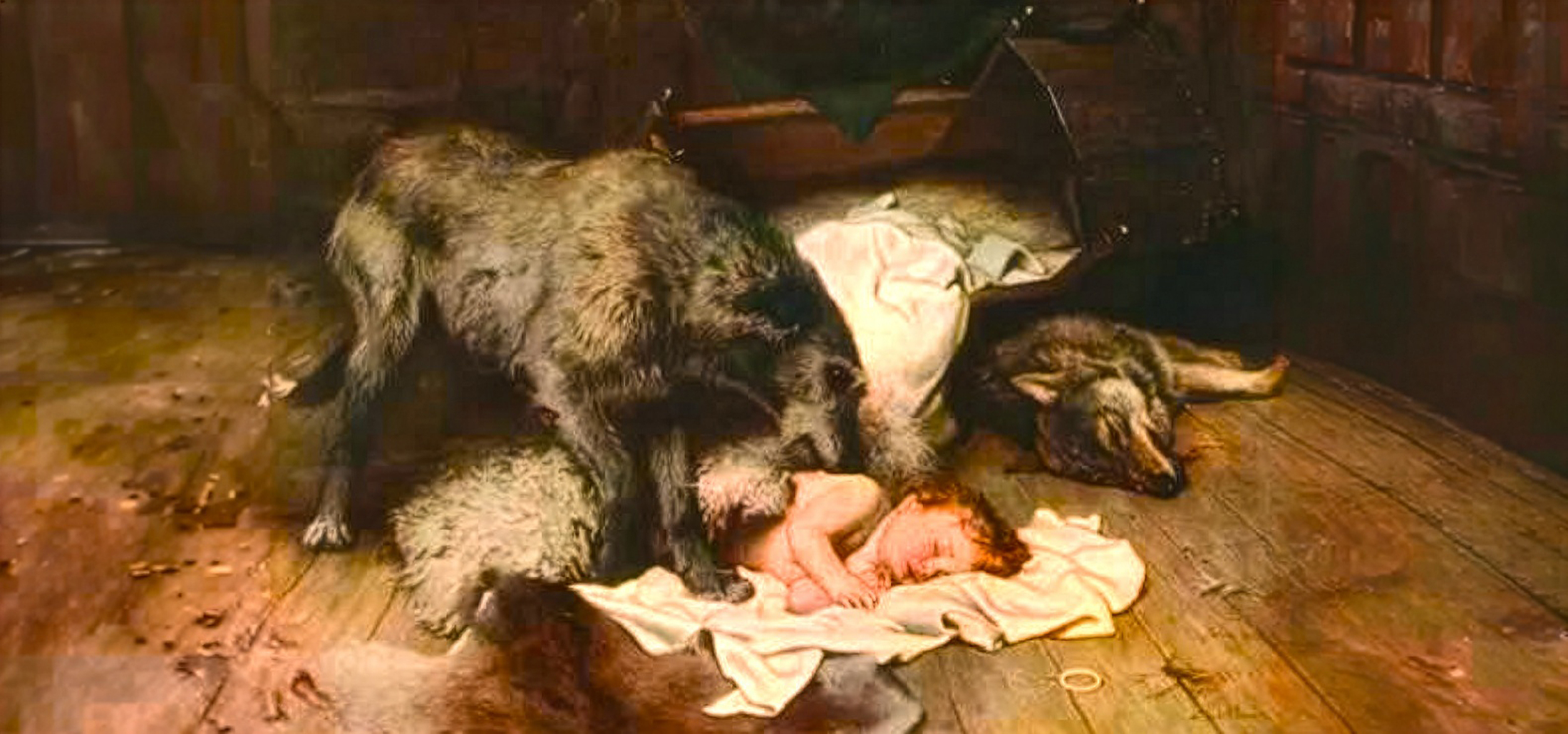
Read the essay →Llywelyn the Great returns from the hunt to find his hound covered in blood and the cradle empty. A legend about what happens when a powerful dog cannot defend itself against the story told about it.
Read the essay →The hound is eventually revealed to be a real animal -- kept, coated in phosphorus and deliberately released by a human murderer. The dog supplies the teeth. The human supplies the motive.
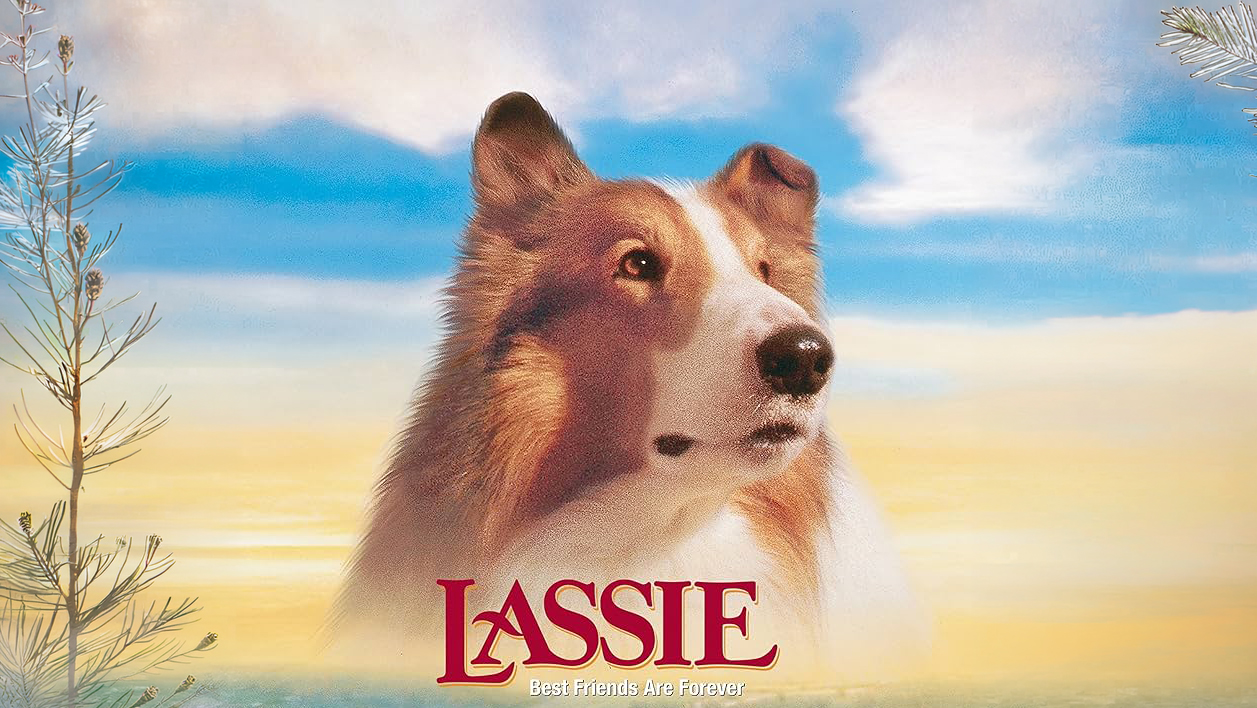
Read the essay →Lassie never makes a mistake. She is not a dog. She is a heroic design. And that is where the real breed pays the price.
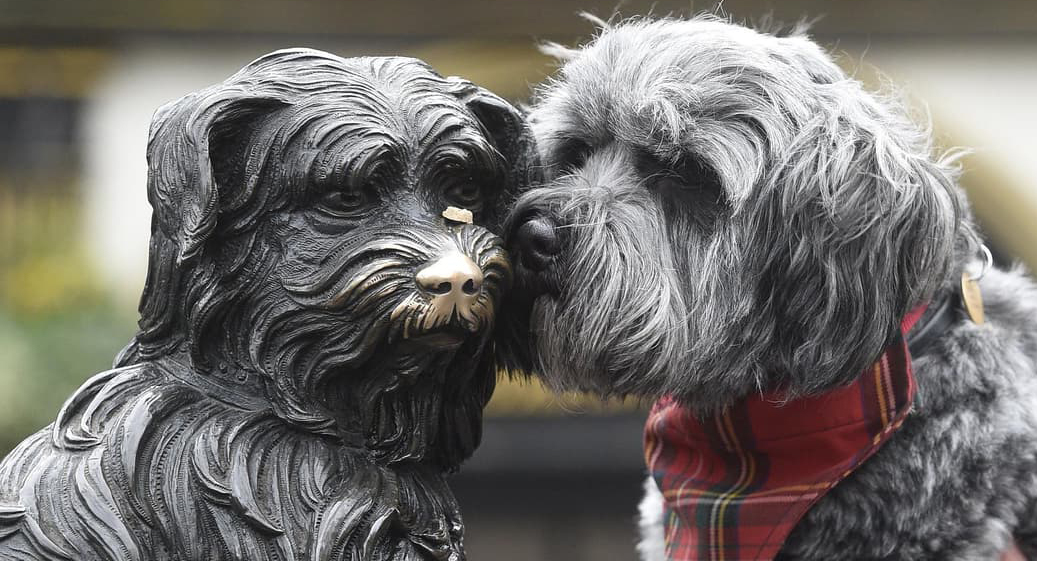
Read the essay →A small terrier lived near Greyfriars Kirkyard for fourteen years after his master's death. An essay on what happens when a real dog is gradually transformed into the perfect good dog.
Read the essay →An essay series
Fictional dogs are rarely just dogs. They get cast as heroes, monsters, loyal companions and dangerous outsiders. Their size, breed and appearance become shorthand for the role the story needs them to play.
This series looks at some of the most famous dog stories and legends and asks what effect this has had on our conceptions of the actual breeds and the effect of that portrayal.

Before Lassie, before Greyfriars Bobby, there was Argos. Homer's dog from The Odyssey waited twenty years for his master to return.
Learn more
Bull's-eye belongs to Bill Sikes, one of Dickens's most violent characters. He is not simply a bad dog -- he is a dog made to carry a bad man's reputation.
Learn more
The Egyptians made a dog the god of death -- and it turns out almost everyone did. From a jackal digging up desert graves to a Suffolk hellhound, an essay on the dog we keep posting at the door of the dark, and why we thanked it by turning its name into an insult.
Learn more
Llywelyn the Great returns from the hunt to find his hound covered in blood and the cradle empty. A legend about what happens when a powerful dog cannot defend itself against the story told about it.
Learn more
The hound is eventually revealed to be a real animal -- kept, coated in phosphorus and deliberately released by a human murderer. The dog supplies the teeth. The human supplies the motive.
Learn more
Lassie never makes a mistake. She is not a dog. She is a heroic design. And that is where the real breed pays the price.
Learn more
A small terrier lived near Greyfriars Kirkyard for fourteen years after his master's death. An essay on what happens when a real dog is gradually transformed into the perfect good dog.
Learn more