


The 1800s
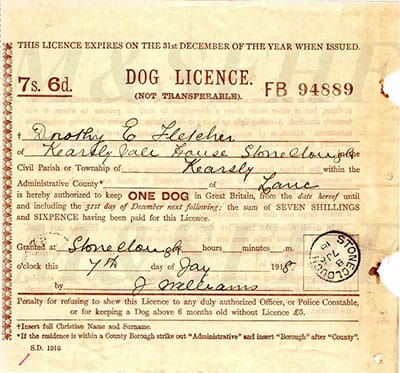
At the start of the 1800s, dogs worked for a living, hauling carts of milk and bread through London. Then in 1839 a law banned dog carts within 15 miles of Charing Cross, and more than 3,000 dogs are said to have been destroyed, because a dog that could not earn its keep still had to be fed. By the end of the same century Britain was queuing to admire dogs at shows, inventing breeds and writing rules for them. Same country, same dogs, and a completely different idea of what a dog is for.
The Dog Cart Ban
For poor traders, a dog and a cart was a whole business: milk, bread, rags, cat meat. Then one law made it illegal. Press play to watch the century go by.
Dogs work for a living: hauling milk, bread, rags and cat meat through the streets. Nobody counts them.
The line is our own estimate: the census population of England and Wales divided by 17, the Victorian rule of thumb of one dog per 17 people. The yellow dots are figures somebody really wrote down, starting with the first dog licences in 1867.
The Breed Explosion
Once shows began, how a dog looked started to matter as much as what it did. Britain went breed mad. Tap a bar to see which dogs arrived.
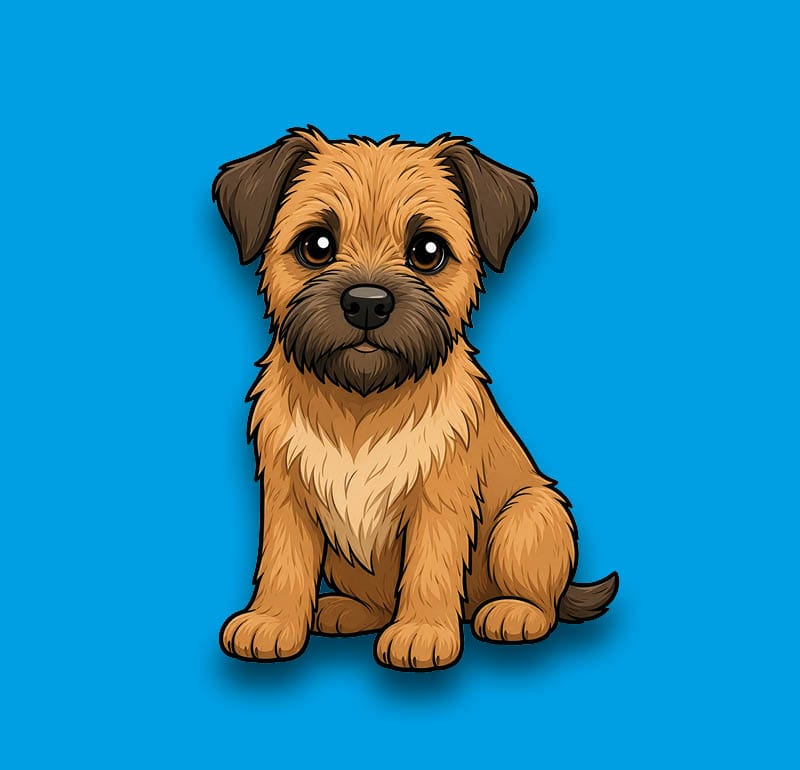 Border Terrier
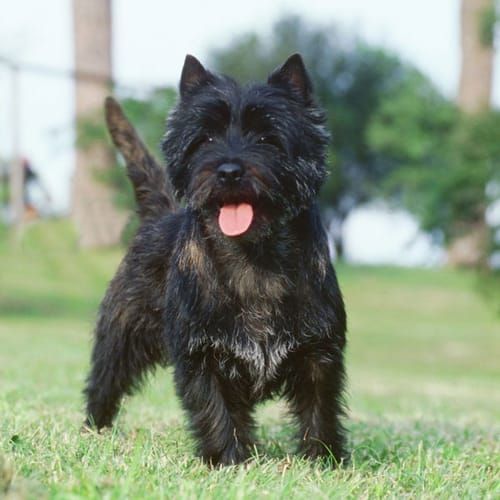 Cairn Terrier
 Cocker Spaniel
 English Springer Spaniel
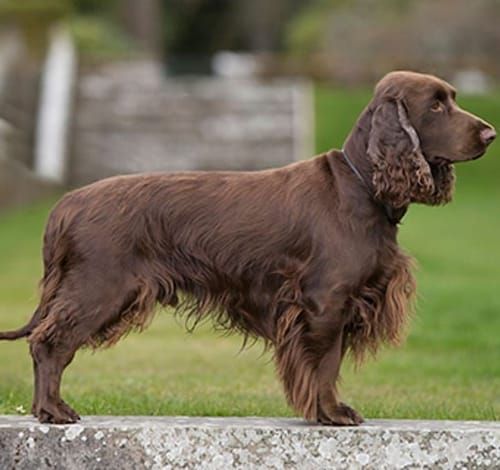 Field Spaniel
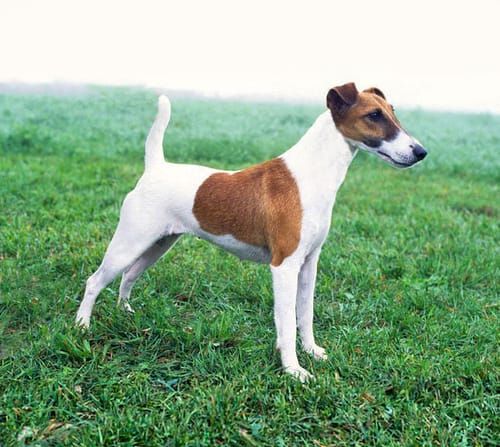 Fox Terrier
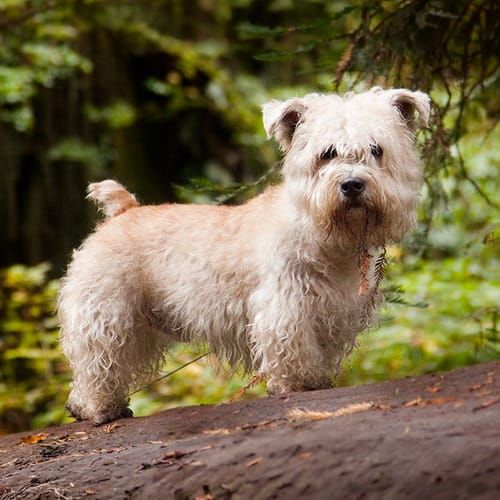 Glen of Imaal Terrier
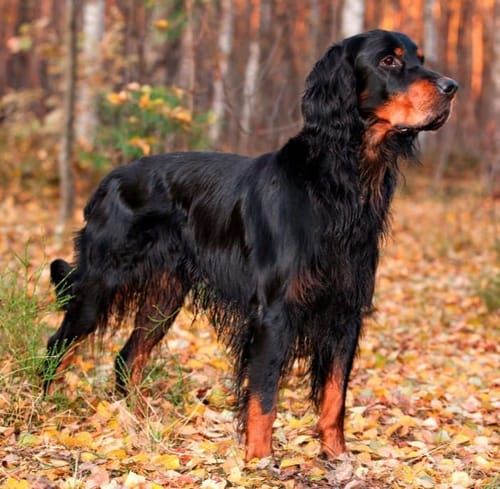 Gordon Setter
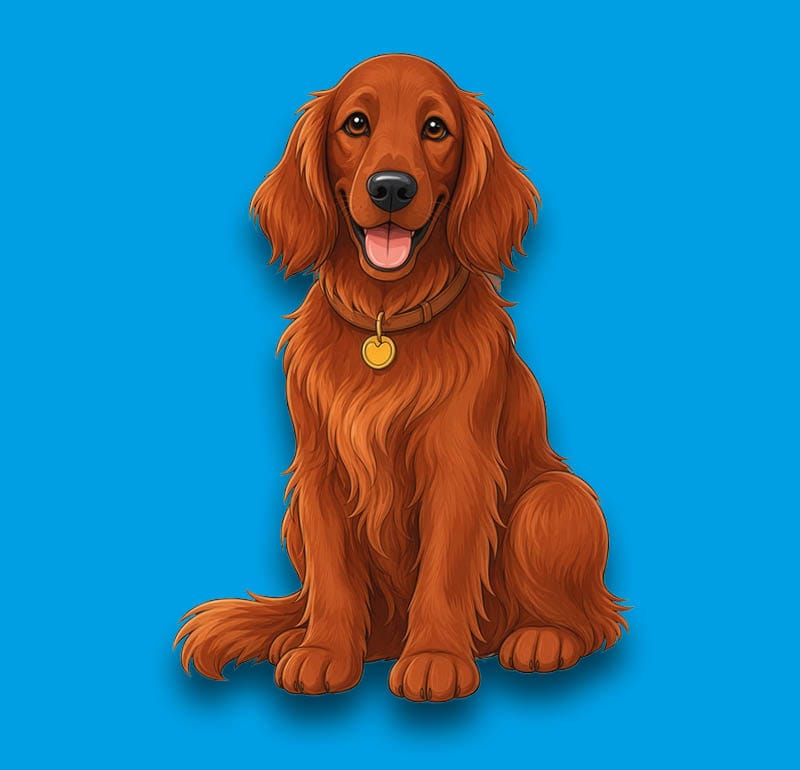 Irish Setter
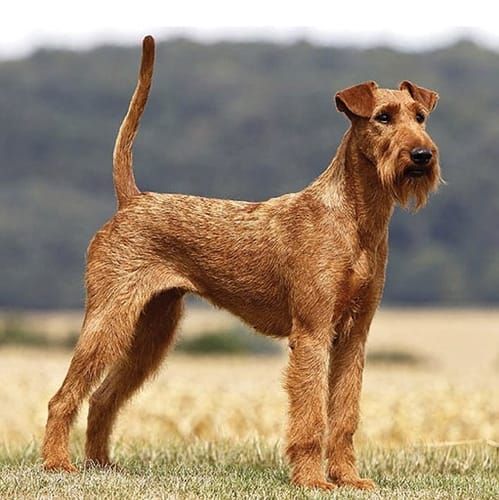 Irish Terrier
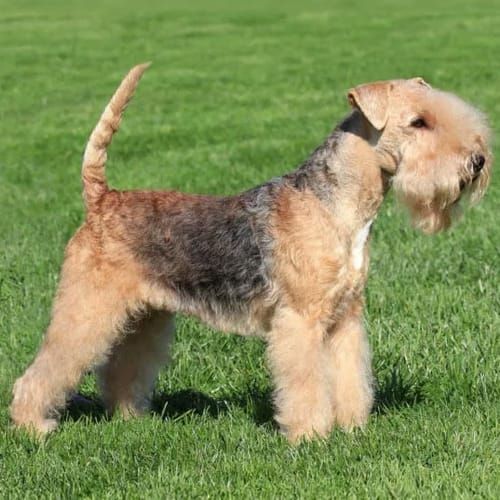 Lakeland Terrier
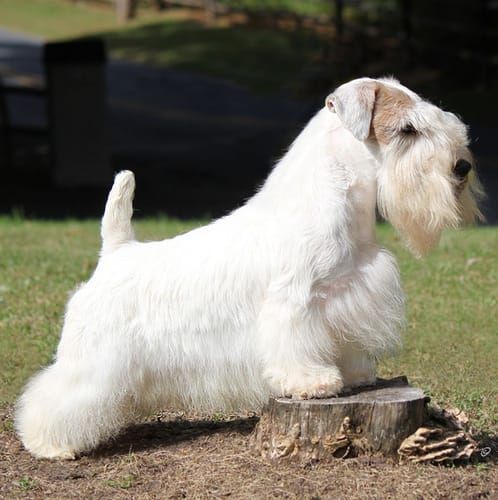 Sealyham Terrier
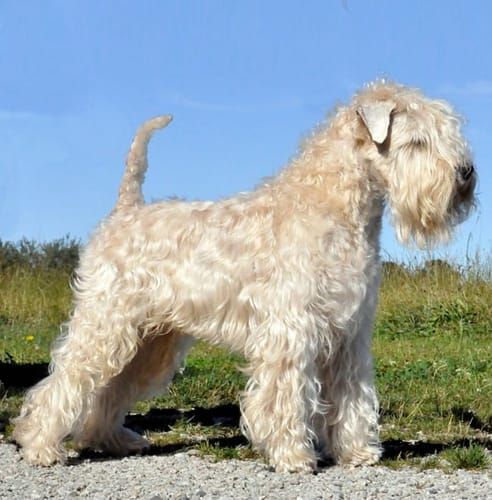 Soft-Coated Wheaten Terrier
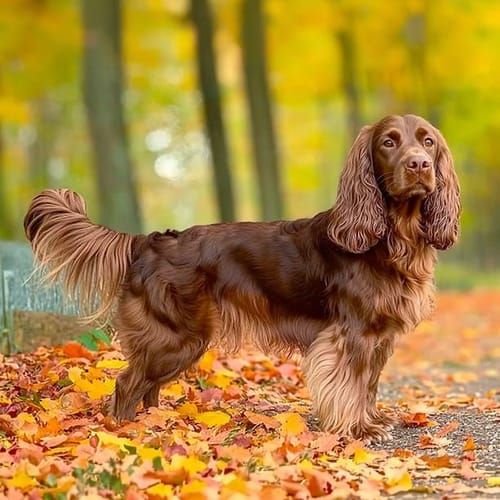 Sussex Spaniel
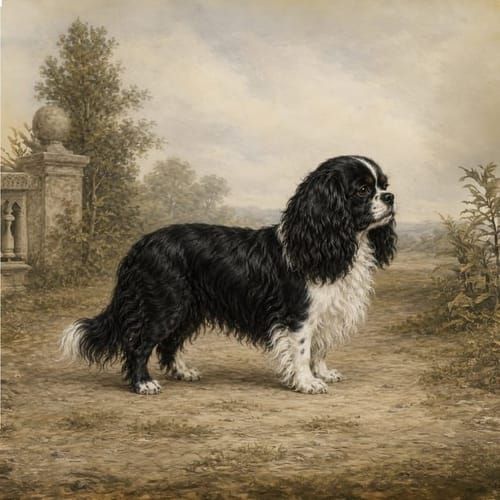 Toy Trawler Spaniel
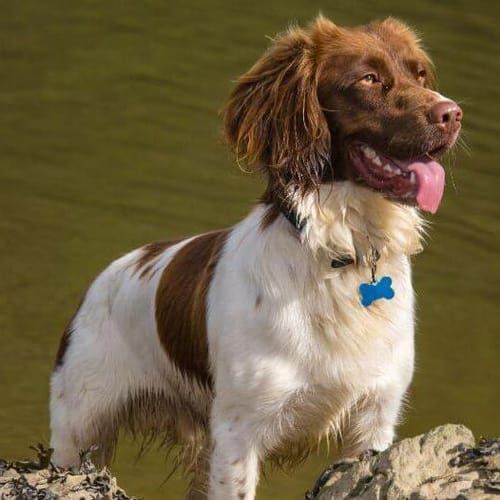 Welsh Springer Spaniel
 West Highland White Terrier
Each bar counts the dogs in our own timeline by roughly when they appear, so it shows the shape of the boom rather than exact founding dates.
Did you know?
Banned overnight
From 1 January 1840, using a dog to pull a cart anywhere within 15 miles of Charing Cross cost you a fine of forty shillings, and five pounds if you did it again.
In 1854 the ban spread to the rest of England and Wales. Cart dogs simply vanished from British streets.
A show for two breeds
Britain's first organised dog show was held in Newcastle Town Hall in June 1859, tacked onto a poultry show. Only 60 dogs came, and only pointers and setters were allowed.
The prizes were not rosettes. They were shotguns, made by one of the organisers.
Who says what a breed is?
Battersea Dogs Home opened in 1860, and the Kennel Club followed in 1873: the first organisation in the world to write down what each breed should look like.
From then on a dog could be judged not on what it could do, but on how closely it matched a description in a book.
Dogs in London
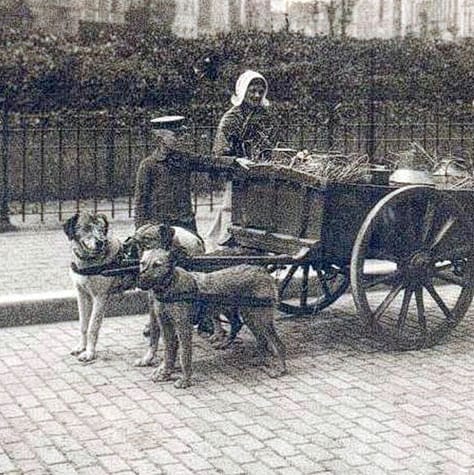
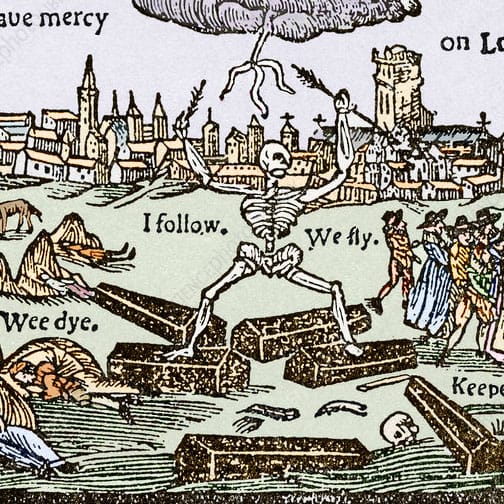
In the bustling streets of Victorian London, dogs were not just companions, they were engines of trade. For decades, teams of dogs hauled carts of goods through the capital, until the law stepped in.
The ban was meant to spare dogs from cruelty and to stop carts spooking horses in crowded streets, but it had a heartbreaking side. With the dogs no longer able to earn their keep, many traders could not afford to feed them, and thousands of working dogs were lost. It was a grim chapter, yet it pushed Britain toward treating dogs as animals deserving of protection.
- Working dogs pulled small carts of milk, bread, fish and other goods for street traders.
- The Metropolitan Police Act of 1839 banned dog-drawn carts within 15 miles of Charing Cross.
- A national ban on the public highways followed in 1854.
- The campaign against dog-carts helped shape Britain's early animal-welfare laws.
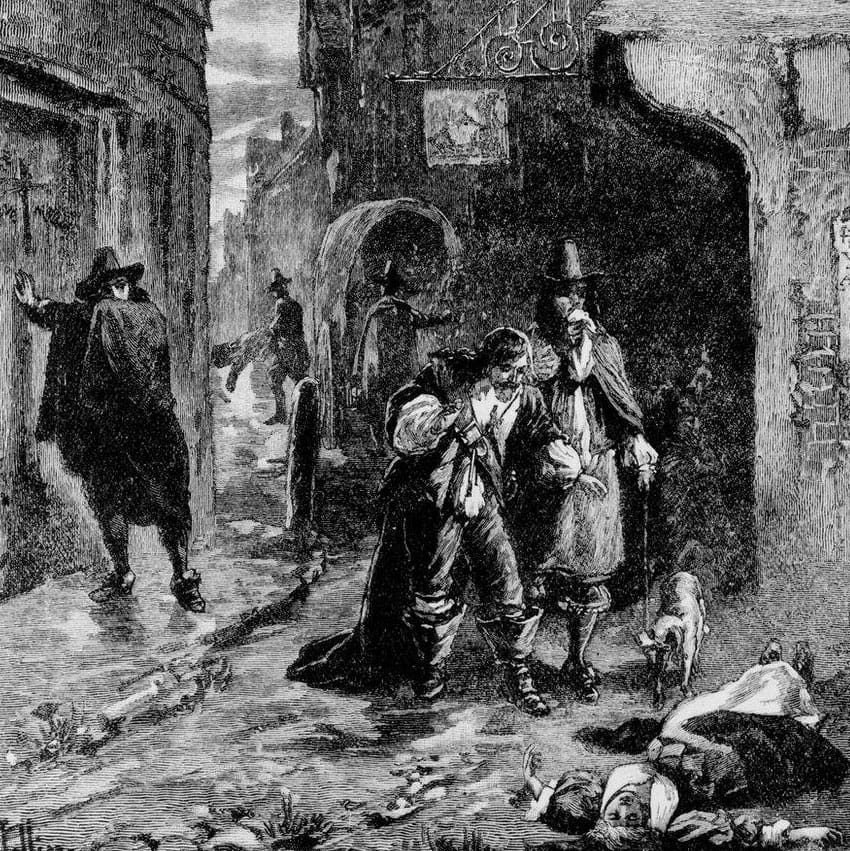
The Victorian turning point
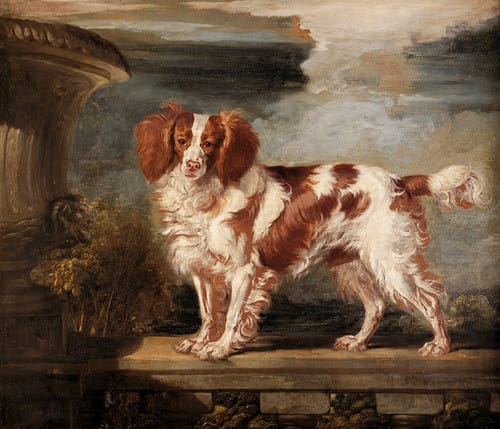
If one era turned the British dog from worker to companion, it is the Victorian age. In just a few decades, dogs moved from the farmyard into the drawing room, and modern pet keeping was born.
Victoria's very public affection for her dogs helped make pet keeping fashionable across society. As the middle classes grew, a well-bred dog became a mark of taste and gentility. The first dog show, the founding of Battersea and the arrival of the Kennel Club all came within a single generation, the moment dogs became companions to be celebrated rather than simply animals to be used.
- Queen Victoria was a devoted dog lover who owned more than eighty dogs across her lifetime.
- Her childhood companion was a Cavalier King Charles Spaniel named Dash, painted by royal artists.
- Britain held the world's first organised dog show in Newcastle in 1859.
- Battersea Dogs Home opened in 1860 and the Kennel Club followed in 1873.

Dogs in popular culture
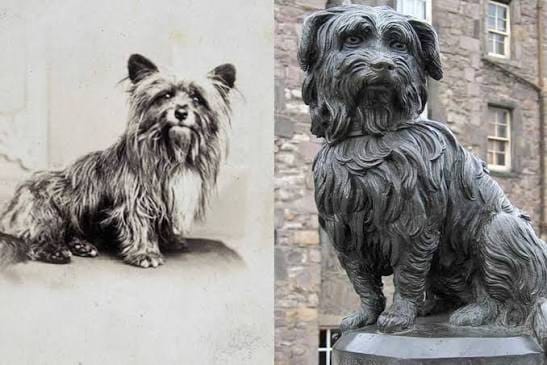
Some dogs become more than pets, they become legends. No British dog story is more beloved than that of Greyfriars Bobby, the little terrier whose loyalty captured a nation's heart.
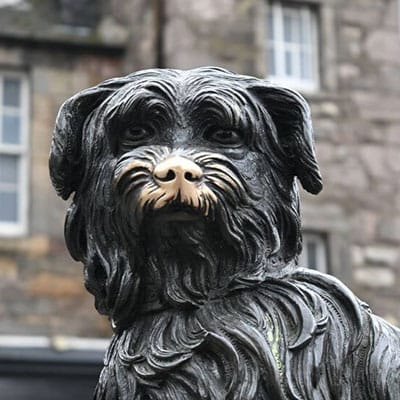
Historians gently point out that the tale has grown in the telling, and the details are hard to prove. But whether legend or fact, Bobby became a symbol of the devotion a dog can show, retold in books and films ever since. His statue in Edinburgh remains one of Scotland's best-loved landmarks, a monument to the bond between people and their dogs.
- Bobby was a Skye Terrier belonging to John Gray, a night watchman for the Edinburgh City Police.
- After Gray died in 1858, Bobby reportedly refused to leave his master's grave.
- The story says he kept watch over the grave for fourteen years until his own death in 1872.
- A statue and fountain were raised in his honour, and still draw visitors today.

Dog shows
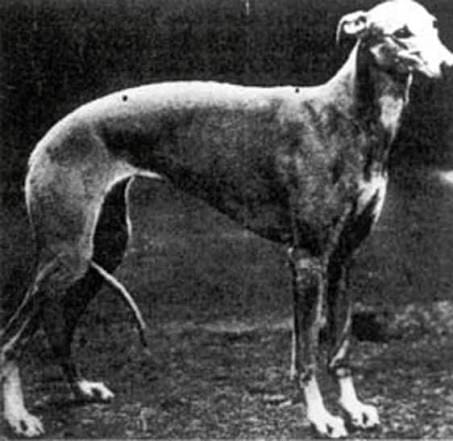
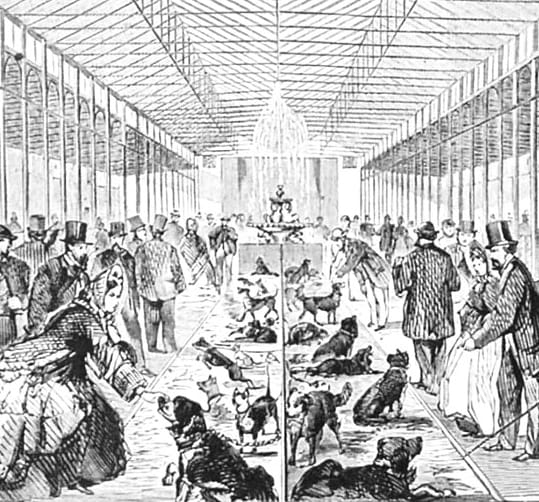
Once dogs became companions worth celebrating, Britain found a new way to honour them: the dog show. From modest beginnings grew Crufts, the most famous dog show in the world.
Charles Cruft had a genius for promotion, and his show quickly became the highlight of the canine calendar. The arrival of the Best in Show award in 1928 gave the event its crowning moment, and that first winner, a Greyhound chosen from nearly ten thousand competitors, set the tone for a contest that still captivates the nation every spring.
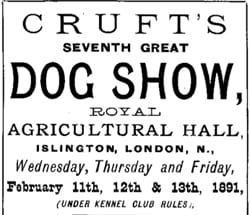
- Crufts was founded by showman Charles Cruft and first held in 1891 in Islington, London.
- The famous Best in Show title was not introduced until 1928.
- The first ever Best in Show winner was a Greyhound named Primley Sceptre.
- Crufts is now recognised as the largest dog show in the world.
The Dog Show Boom
Before 1859 there were no dog shows, no stud books and no breed standards. Within a single lifetime, Victorian Britain created all three.
Dogs entered at landmark shows
- 1859
- 1860
- 1863
- 1873
- 1874
- 1891
Milestones
- 1859
The first dog show
Sixty pointers and setters are judged at Newcastle Town Hall, on their looks rather than their work. The prizes are shotguns.
- 1860
A home for lost dogs
The Temporary Home for Lost and Starving Dogs opens in London. Today it is Battersea Dogs and Cats Home.
- 1873
The Kennel Club
Thirteen enthusiasts meet in a three-room London flat and found the world's first national kennel club.
- 1874
The first Stud Book
The Kennel Club records the pedigrees of 4,027 prize-winning dogs from every show since 1859.
- 1886
Charles Cruft's first show
A show for terriers only, at the Royal Aquarium in Westminster, draws 570 entries.
- 1891
The first Cruft's
2,437 entries across 36 breeds fill the Royal Agricultural Hall. Queen Victoria enters six of her Pomeranians.
Sources: Crufts: history; American Kennel Club: history of conformation; Middleburg Life: the proliferation of dog shows; Philip Howell, BRANCH: the dog show and the dogs' home; The Graphic (1874), via the Victorian Web; Wikipedia: Kennel club.
London banned dog carts in 1839, and thousands of working dogs were destroyed because they had become worthless overnight. By the end of the century Britain had swung the other way entirely: the Kennel Club was founded in 1873, dog shows became a national pastime, and breeds were being defined, named and multiplied at a rate never seen before or since.