


The 1700s
In 1688, seven powerful English lords secretly wrote to William of Orange, the leader of the Dutch Republic, asking him to come and replace King James II. Their letter even used code numbers instead of names. William landed at Brixham with a Dutch army, James fled to France, and William and his wife Mary became king and queen. They brought their pugs with them, and Britain has loved the pug ever since.
Ships, Spices and Pugs
Dutch and English ships sailed halfway round the world for spices, cotton, tea and silk. Dogs came home with them. Press play to watch the trade routes open up.
Queen Elizabeth I grants a charter to the East India Company. Its ships have to sail right around Africa to reach the east.
- English route
- Dutch route
- Sea battle, bigger means bigger fight
Simplified map. Routes are drawn through a few points on their general line, not real sailing tracks, and battle markers are sized by how big the fight was, not measured.
The Adoption of Capitalism
After 1688 Britain borrowed money the Dutch way, and promised Parliament would pay it back. That let it borrow more cheaply than its rivals, and spend the money on warships.
- £0.7mgovernment debt in 1688
- £132mby 1763, after winning the Seven Years War
- £523mowed in 1802, and now the most powerful country
So what is a bond?
It is not the same as money. A coin is worth what it says right now. A bond is a promise about the future. But because everyone believed Parliament would pay, people bought and sold bonds happily, so a bond worked almost as well as cash.
That understanding was what let the government spend sums of money it did not have. It borrowed from thousands of rich and wealthy people at once (making them even richer, and what is now known as the 1%). The government paid them back with interest from raising taxes, and ordered the Bank of England to print paper ‘money’, which is why they are called ‘notes’, backed by that loan. It was like money out of thin air, only backed by a promise. Future taxpayers are still paying for it now: the UK’s debt today is just under £3 trillion.
Dashed lines mark wars: a green dot where one starts, a red dot where it ends. Figures are the published national debt for the years shown, rounded.
Did you know?
The Dutch ruled the waves
In the 1600s the small Dutch Republic had some of the biggest trading fleets in the world, and its East India Company, set up in 1602, sold shares to ordinary investors.
In 1667 the Dutch navy even sailed up the River Medway in Kent, burned English warships and towed away the fleet's flagship, the Royal Charles.
Orange was the colour of William's family, and it stayed political for a long time. In 1784 Holland banned showing orange in public, and market sellers had to keep the green tops over their carrots so nobody took offence.
Copying the Dutch
Rich English merchants admired how the Dutch raised money. When William arrived, England copied their ideas: the first government bonds in 1693, then the Bank of England in 1694.
The Bank's very first job was lending money to the government to rebuild the navy.
From island to empire
Because Parliament promised to pay back what it borrowed, Britain could borrow more cheaply than its rivals. That money paid for a huge navy.
Through the 1700s a small island nation fought old enemies like France and Spain, and new rivals, on the other side of the world, laying the foundations of the British Empire.
Working roots
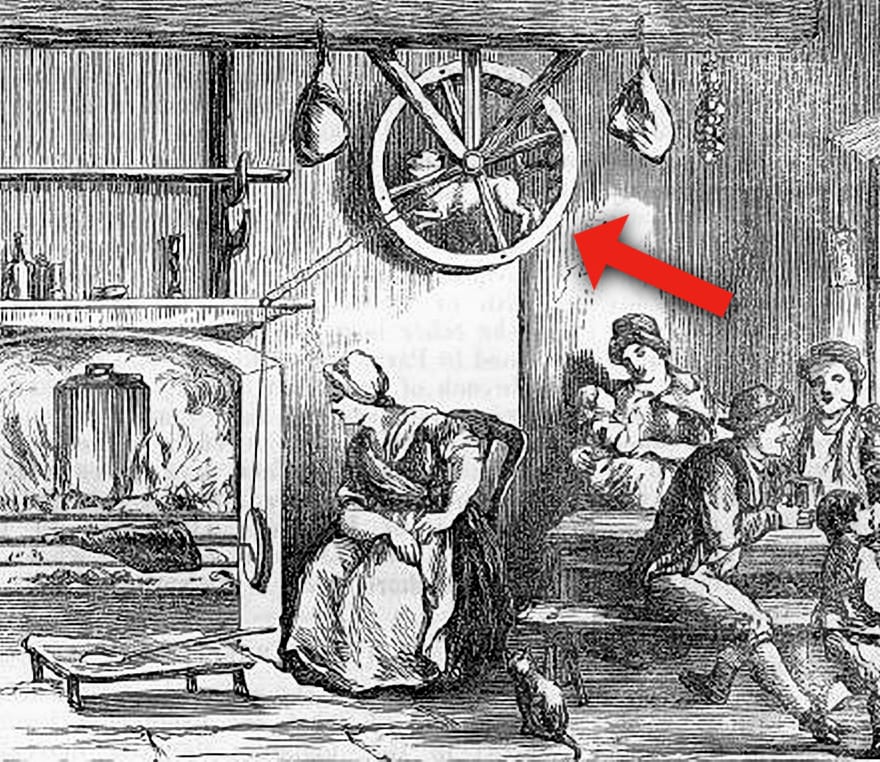
Long before dogs curled up by the fire, they worked for a living. Across Britain, breeds were shaped by the jobs they were needed to do, and you can still see those jobs written into their bodies and behaviour today.
A dog's looks are rarely an accident. The Collie's tireless energy, the terrier's boldness, the sighthound's lean frame: each was honed for a purpose over many generations. Understanding that working past is the key to understanding why breeds behave the way they do, a thread that runs right through the pack.
- Herding breeds like the Border Collie were bred to gather and move livestock across the hills.
- Terriers were developed to hunt vermin, going to ground after rats, mice and foxes.
- Sighthounds such as the Greyhound and Whippet were built for speed and the chase.
- Guarding and droving breeds protected homes and moved cattle to market.
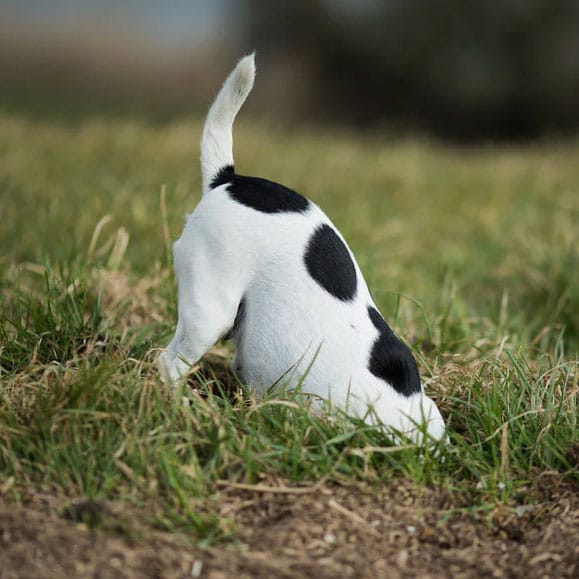
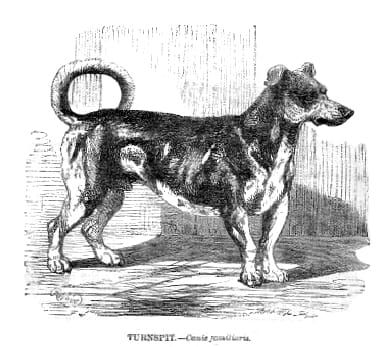
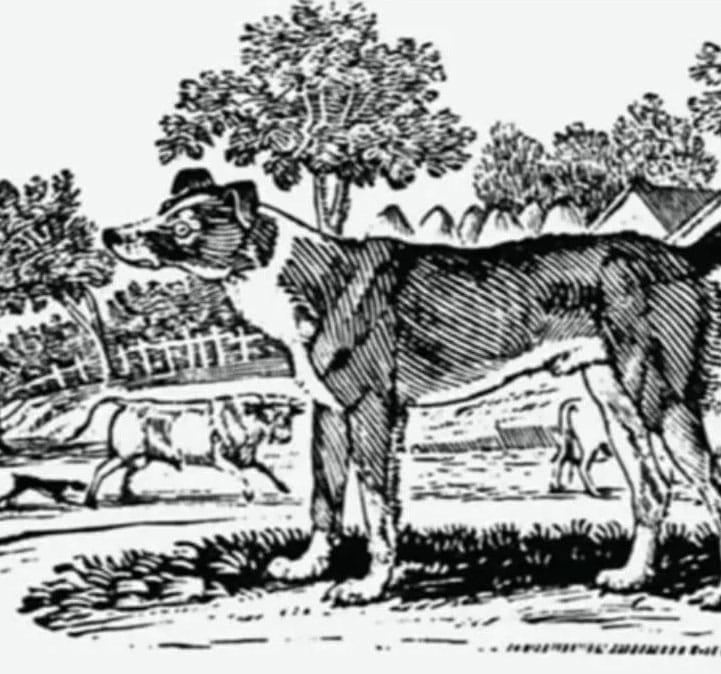
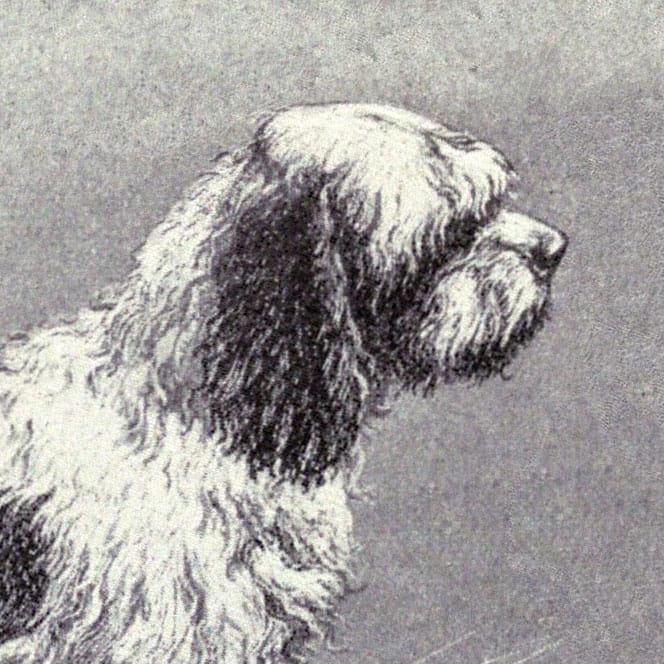
Georgian Britain built ships, borrowed money on a scale no country had tried before, and traded across the world. Dogs travelled with all of it. Pugs had arrived with William of Orange in 1688, and the century that followed brought sporting dogs bred for the gun, the growth of organised hunting and the first stirrings of dogs kept purely for company.