

Tudor 'n' Stuart Times
Signposts and the post sound related, but they are not: a signpost is named after a wooden pole, while the letter post comes from horses "posted" in relays along the road. Britain got its first direction posts in the late 1600s, and the oldest still standing, from 1669, is near Chipping Campden. Dogs, of course, treated every new post as a message board of their own.
Connected Britain
Before the national post, Britain had special roads called ‘post roads’, with fresh horses waiting every 20 miles or so, and these were exclusively for the king. Press play to watch the network grow.
Around 1500, letters travel with messengers, carriers or pedlars. There is no national post.
- Londonabout 55,000
- Norwichabout 12,000
- Newcastleabout 12,000
- Oxfordabout 11,000
- Cambridgeabout 11,000
- Land
- Post road
- Side road (bye-post)
- Town, sized by people
Simplified map. Roads are drawn through a few towns on their route, and populations are estimates. Most towns are shown at their size around 1680.
1st Book of Dogs
In 1576 Doctor John Caius sorted England's dogs into three kinds. Tap a dog to see what job it did, and what it became.
Gentle
Well-bred dogs for hunting and sport
Homely
Hard-working dogs for everyday jobs
Currish
Mixed-up mongrels for odd jobs and tricks
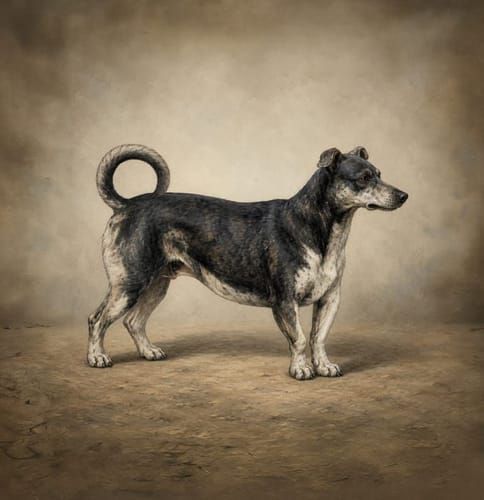
Turnspit
Caius called it: “Turnespete”
Ran inside a wooden wheel in the kitchen to turn the meat roasting over the fire.
Today: Extinct.
Why don't all these dogs appear in our timeline?
Caius named dogs by the job they did, not by breed, and most of those jobs never became breeds of their own. The Gazehound hunted by sight, much like our Rough northern sighthounds. The Wappe and the Dancer were mongrels, like our Cur. The Leviner was an in-between hound that has simply been lost. And the Tumbler and the Stealer were crafty poachers' dogs whose job lives on in today's Lurcher.
Source: John Caius, Of Englishe Dogges, translated by Abraham Fleming, 1576 (public domain, Project Gutenberg).
Did you know?
Fork! How rude!
In 1608 a traveller from Somerset called Thomas Coryat saw Italians eating with forks and brought the habit home. Most people still ate with a knife and their fingers, and his friends teased him with the nickname 'Furcifer', the fork-carrier.
The family dog, meanwhile, decided a fork was just a very small, very pointy bone.
Heels were for horse riders
High heels began as riding boots for Persian horsemen, to keep their feet firmly in the stirrups. After Persian visitors toured Europe in 1599, rich European men went wild for heeled shoes.
Then, as now, dogs had their own view of fancy new shoes: an expensive chew toy.
A dog steals the show
In 1599 the Globe Theatre opened on London's Bankside, where ordinary Londoners could stand and watch a play for a penny.
Shakespeare only ever wrote one dog into his plays: Crab, in The Two Gentlemen of Verona. Crab never says a word, and still steals every scene.
Tudor 'n' Stuart Britain
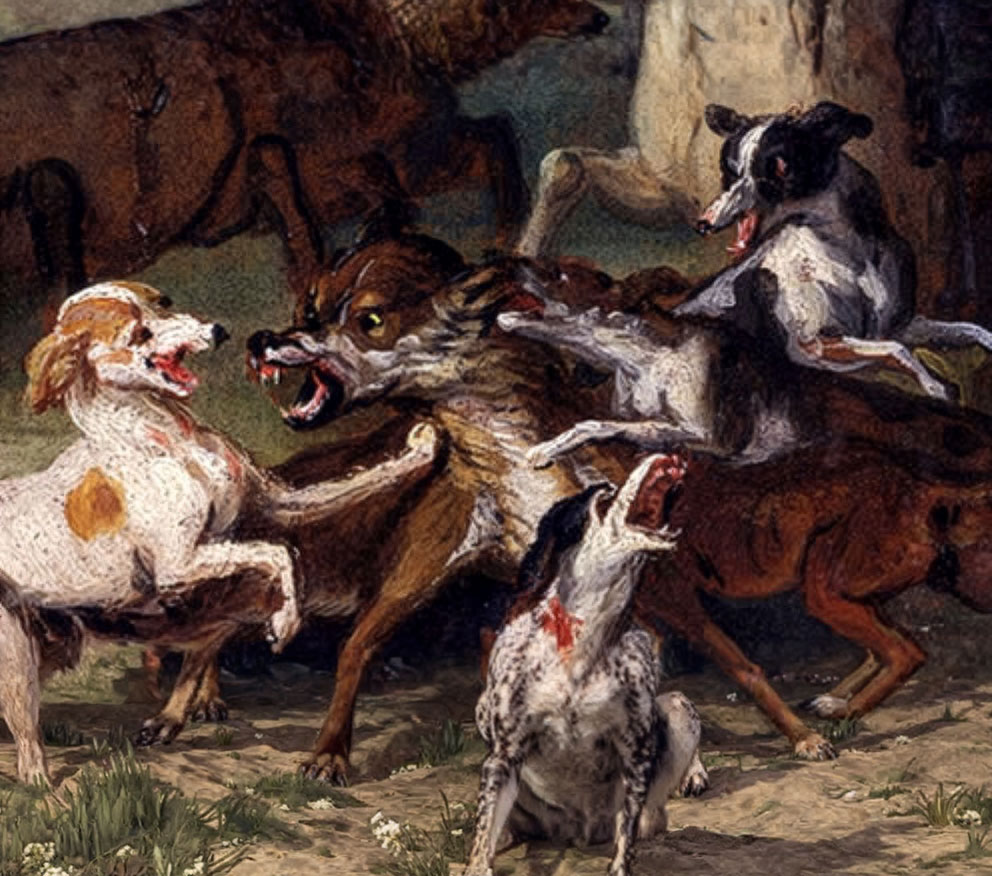
In the 1500s and 1600s, dogs moved into the heart of the household. At the royal court they were pampered companions, while in towns and villages they turned kitchen spits, guarded yards and even followed their owners to church.
At the Tudor court, Henry VIII's pampered lapdogs wore velvet collars stamped with the gold Tudor rose, and Anne Boleyn doted on a little dog named Purkoy. A century later the Stuart kings were just as devoted: Charles II was rarely seen without his little spaniels, which still carry his name as the King Charles Spaniel. The dog as a treasured companion, not just a working animal, was taking shape.
- In 1576 John Caius's Of Englishe Dogges became the first book about dogs in the English language, sorting them into noble, rustic and degenerate kinds.
- Short-legged turnspit dogs ran inside wooden wheels in kitchens to turn the roasting meat, a job Caius recorded by name.
- By Tudor times, Henry VIII kept spaniels, beagles and greyhounds, and owned sixty-five dog leashes.
- Ladies of the court adored their little lapdogs, which they fondly called 'comforters'.
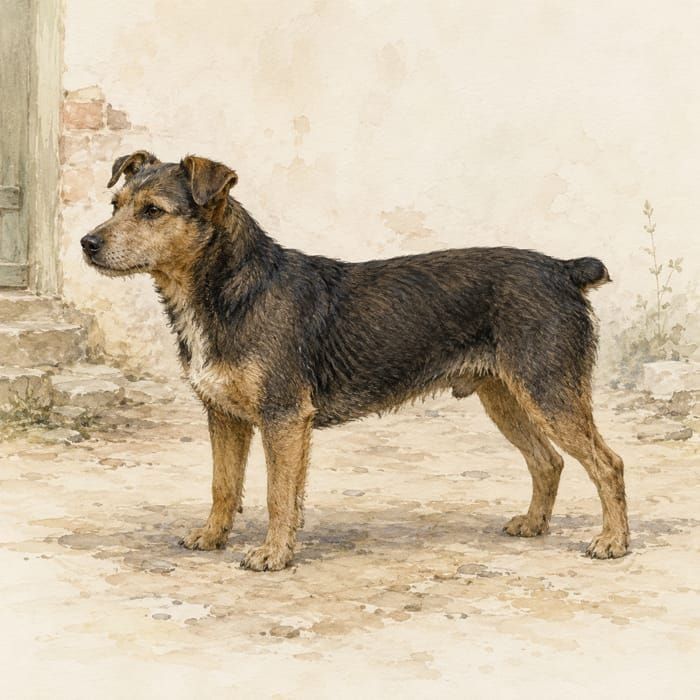
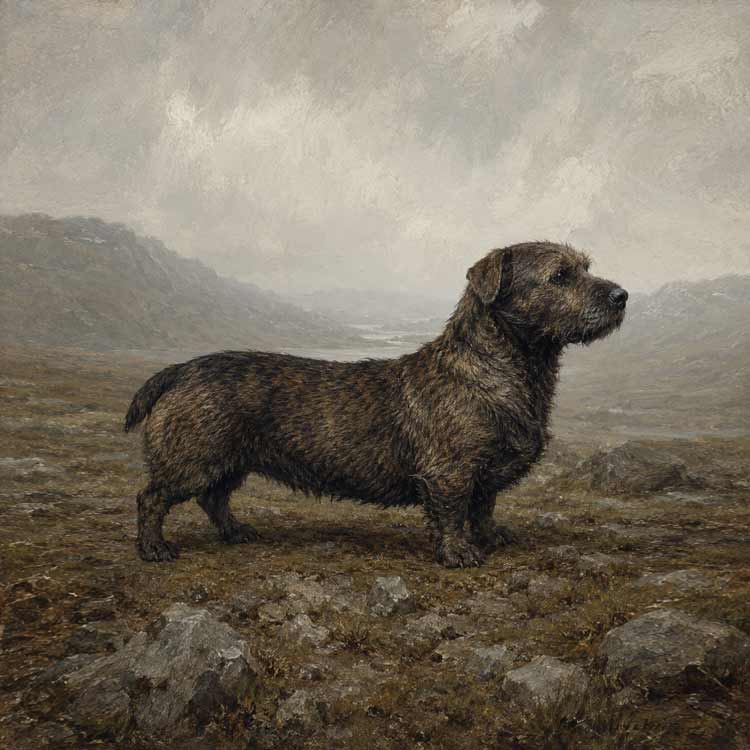
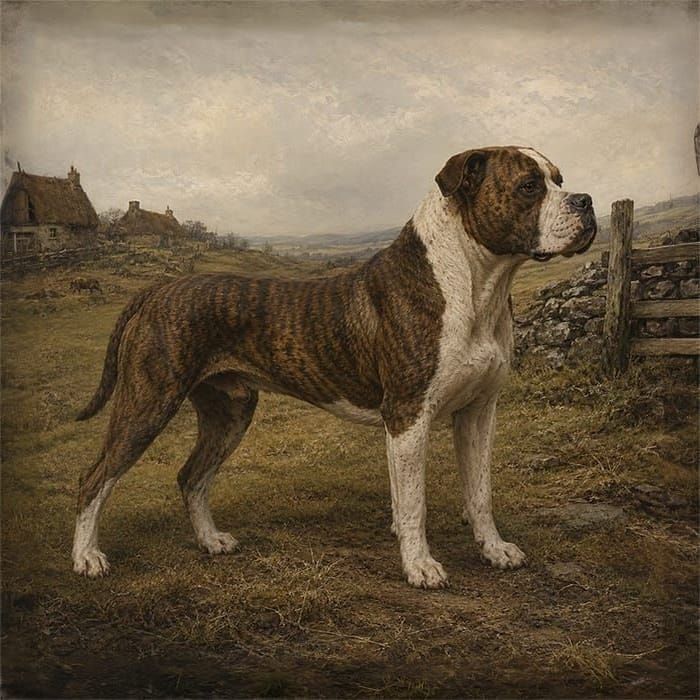
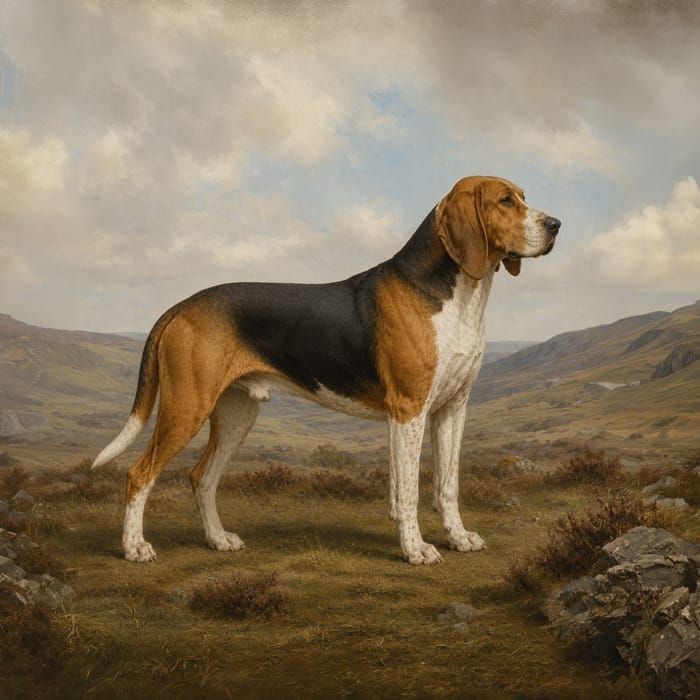
In 1576 John Caius wrote the first book about English dogs, naming types by the job they did rather than the way they looked. Some, such as the Tumbler and the Leviner, have gone entirely. Others became breeds we would recognise now. This is also when the Lurcher first appears by name, and when Britain's roads and posts began knitting the country together.