

An essay series

Dogs at
Work

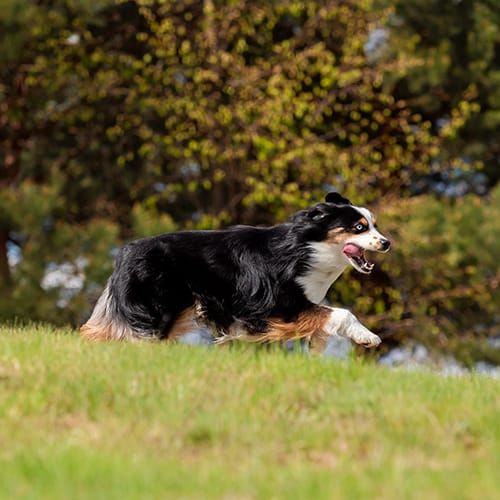
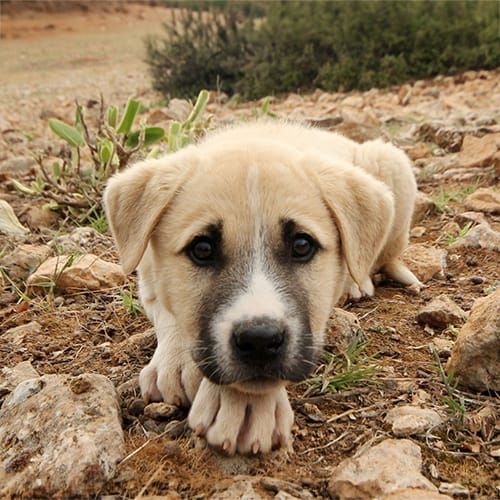
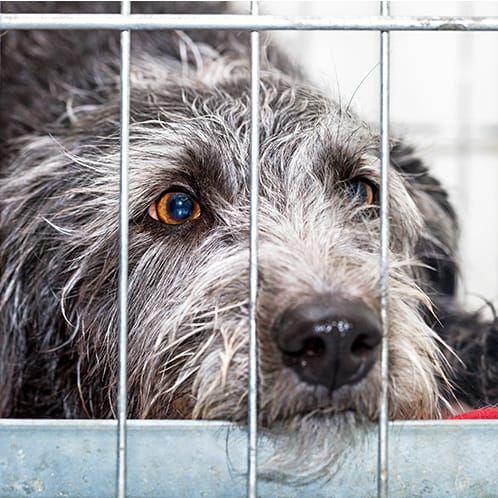
Working dogs do not know they have jobs. To a sheepdog, moving livestock is instinct, training and the best game in the world. To a detection dog, finding the scent is a puzzle with a reward at the end. To a medical alert dog, noticing that their human smells wrong is not a shift pattern. It is just what they do.

It only becomes work when humans benefit from it. This series looks at the dogs that help Britain function -- the noses at the border, the paws on the hills, the search dogs in the woods, the assistance dogs beside their people, and the bio-detection dogs helping scientists ask whether disease has a smell.

They are paid in food, shelter, praise, tennis balls, head strokes and the occasional stolen sausage. But their value is measured in time, safety, independence, science and trust. This is about that hidden workforce, and the question behind every wagging tail: if dogs give us this much, what do we owe them back?

MedicalBio-detection dogs

The Dogs Teaching Medicine How to Smell Disease

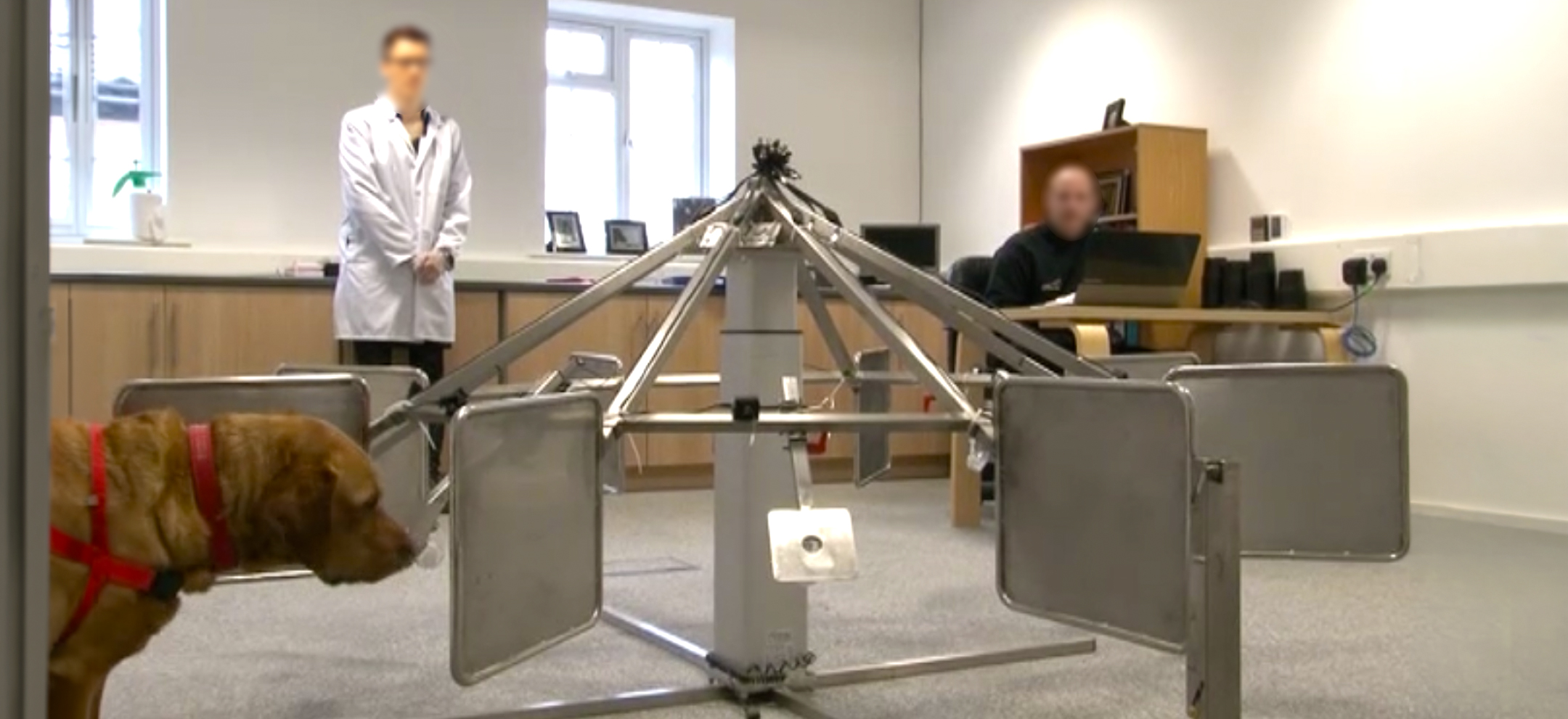
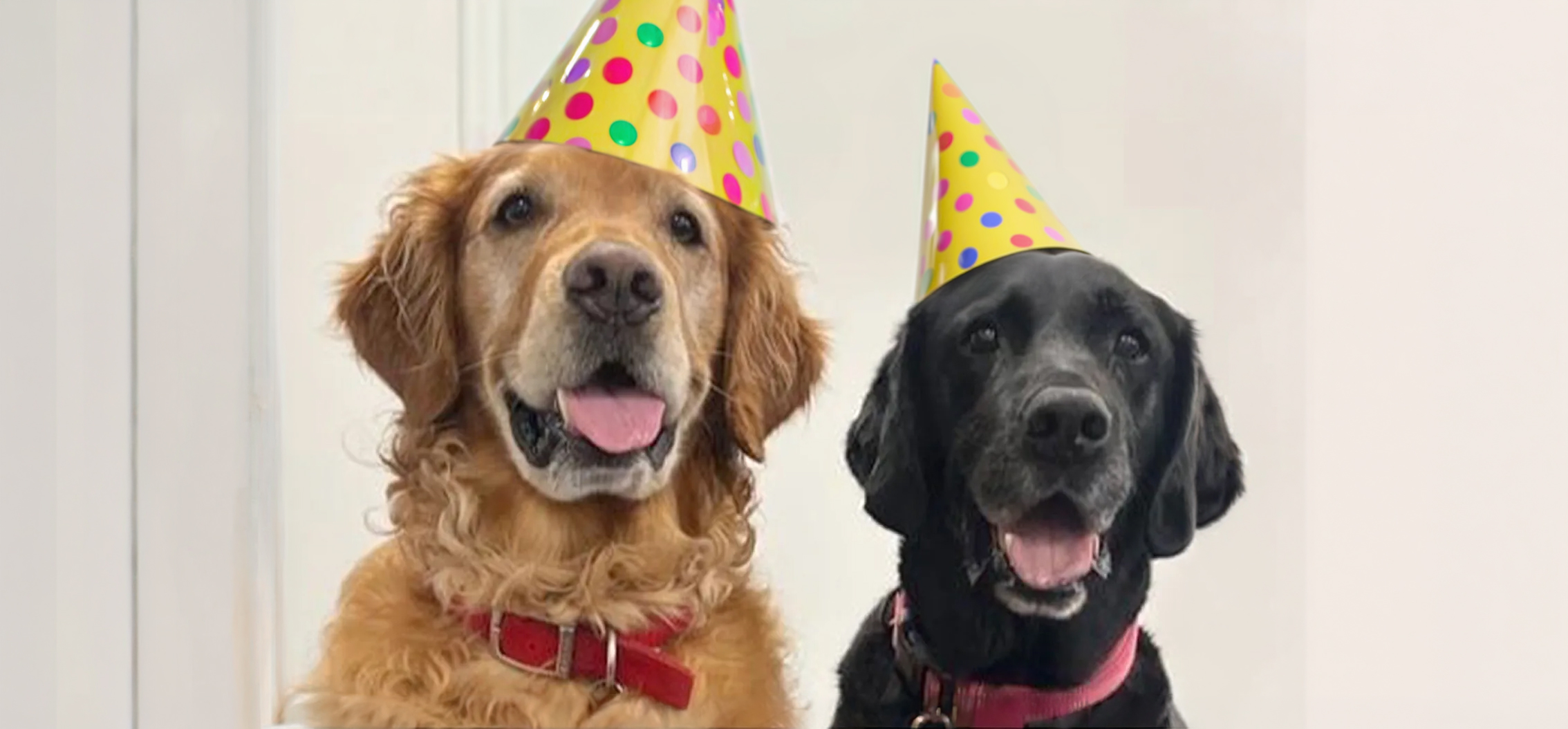
In 2025, two dogs called Bumper and Peanut sniffed out Parkinson's disease in a double-blind trial with up to 98% specificity. They are not replacing doctors. They may be doing something stranger: proving disease has a smell, so the machines of the future know what to look for. The dog doesn't become the machine. The dog invents it.

Read the essay →
MedicalMedical alert dogs

The Colleague Who Never Clocks Off

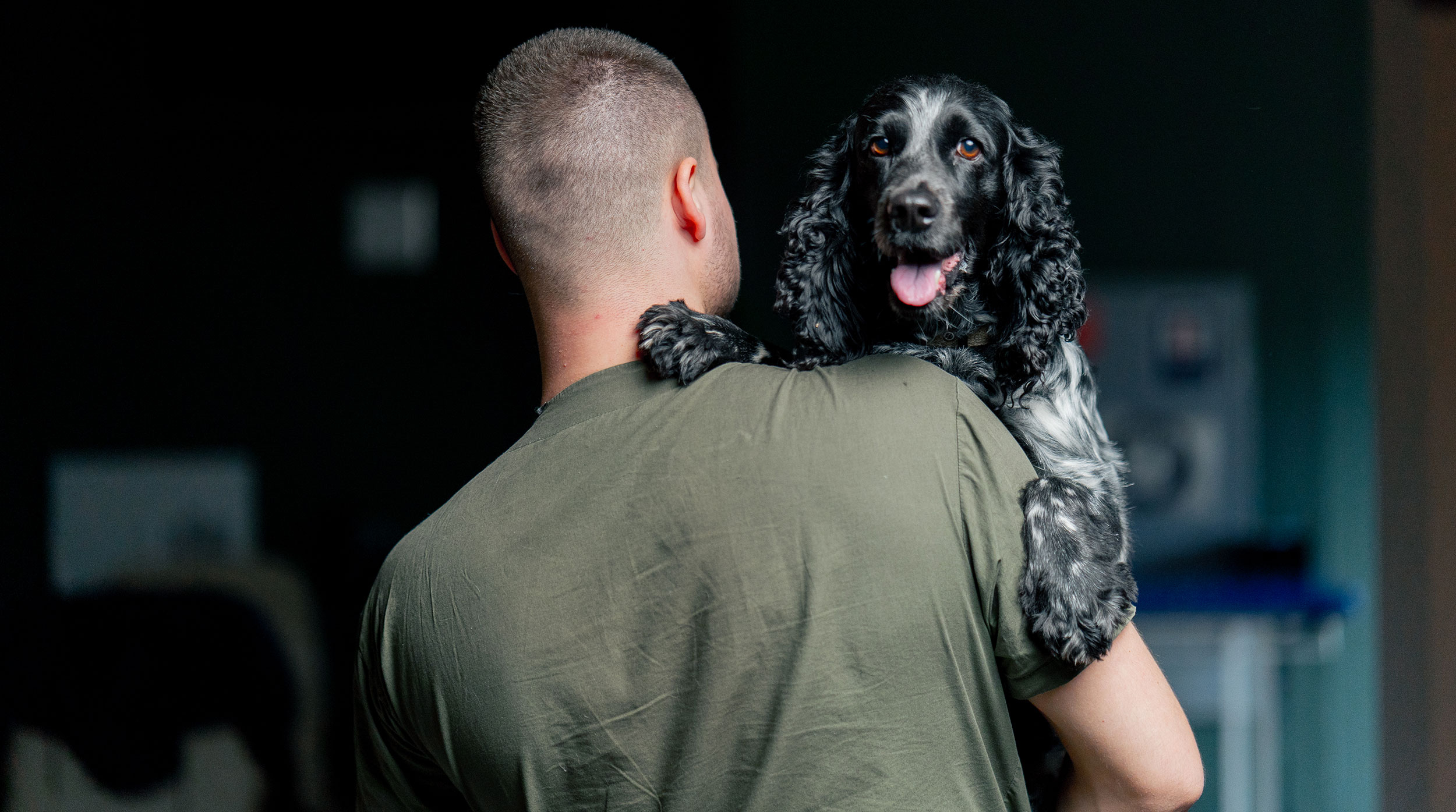
A medical alert dog learns one person so completely it can warn them their own body is about to go wrong -- often before they know themselves. That's not a pet. That's a colleague. Even if the only wages are dinner and the occasional stolen sausage.

Read the essay →
MedicalThe machine the dogs built

The Electronic Nose: The Machine That May Owe Dogs a Biscuit

In Milton Keynes, scientists are building an electronic nose to sniff out prostate cancer -- trained on data the dogs gathered first. The dog wrote the manual for its own replacement, and it could not care less. It just wants its biscuit. This is the last piece of the medical trilogy.

Read the essay →

Coming to the workforce

Public service

Police & Border Force dogs

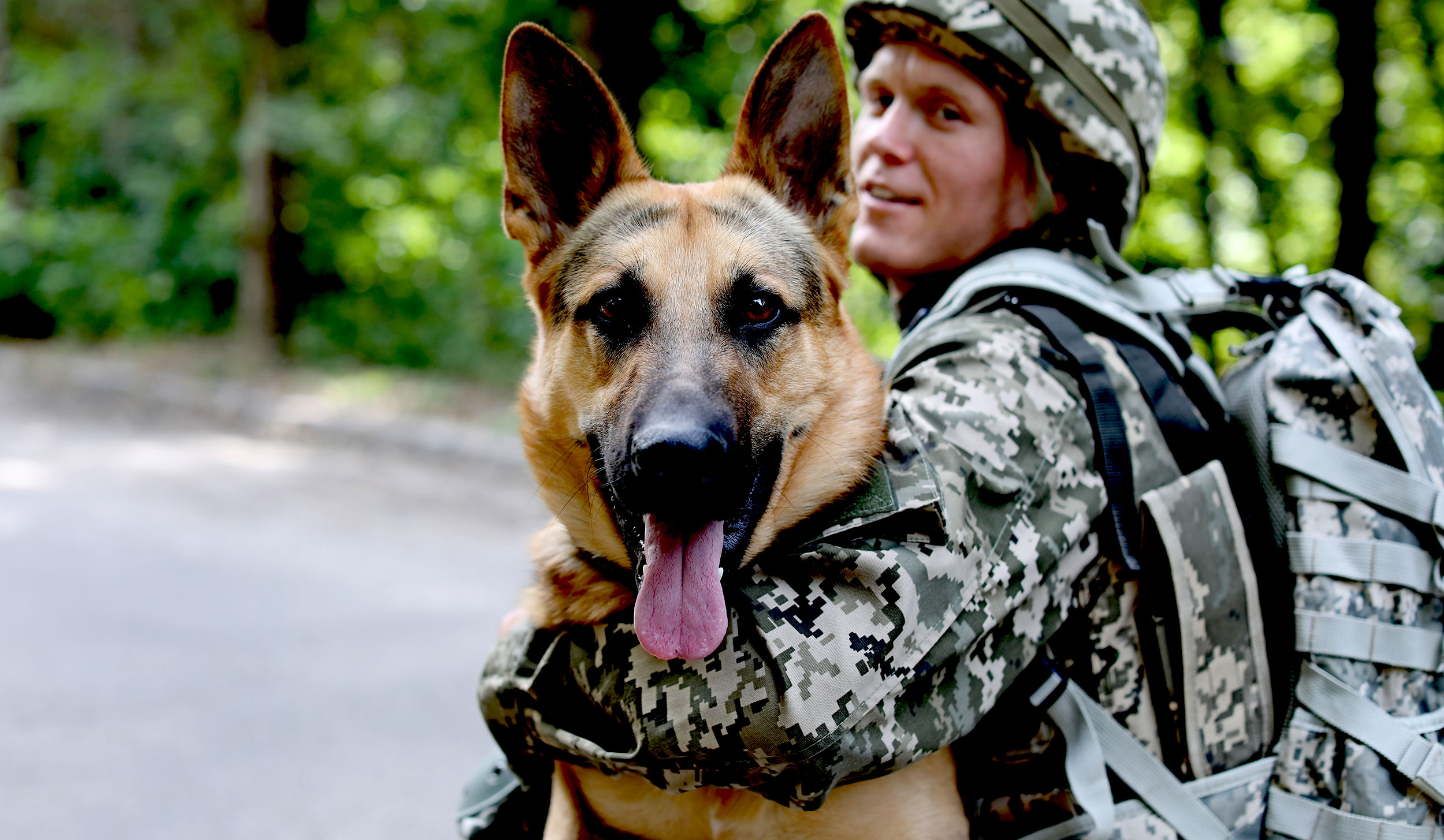
Tracking, searching, and the noses that screen a border before anyone opens a suitcase.

Rural

Sheepdogs

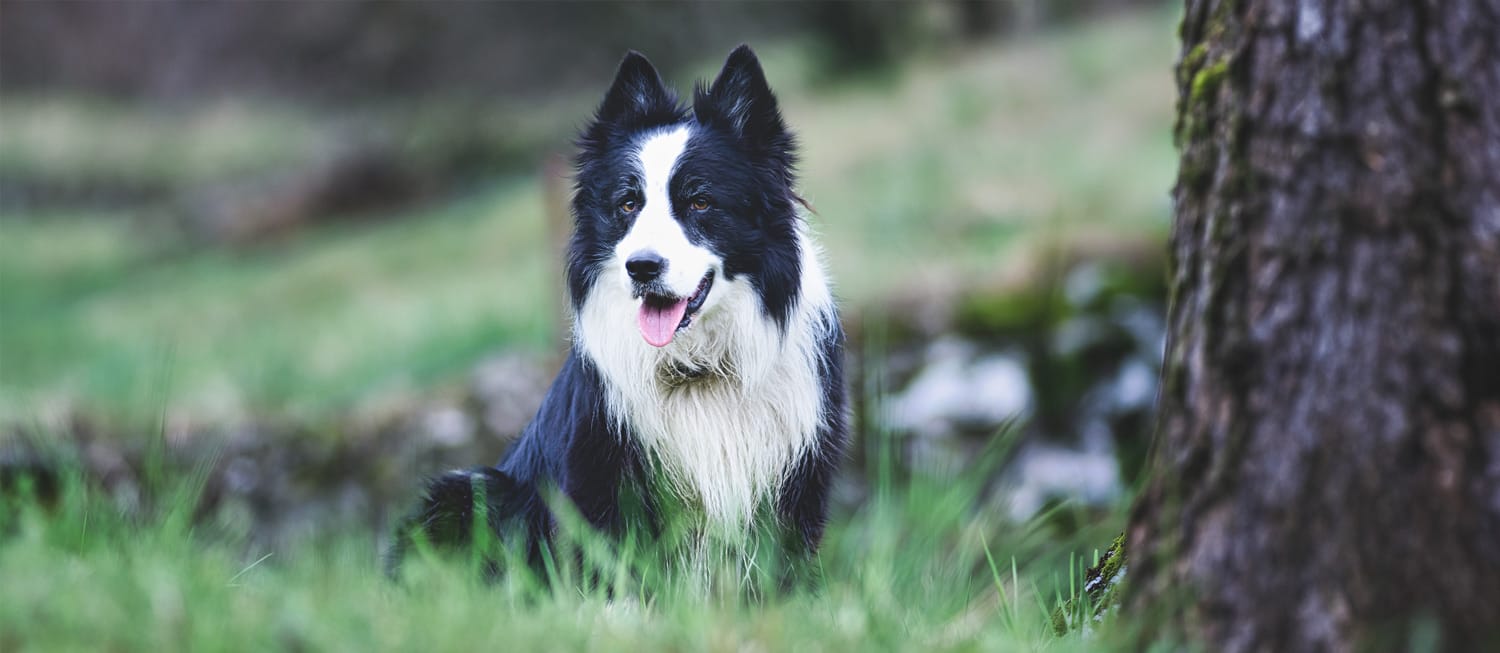
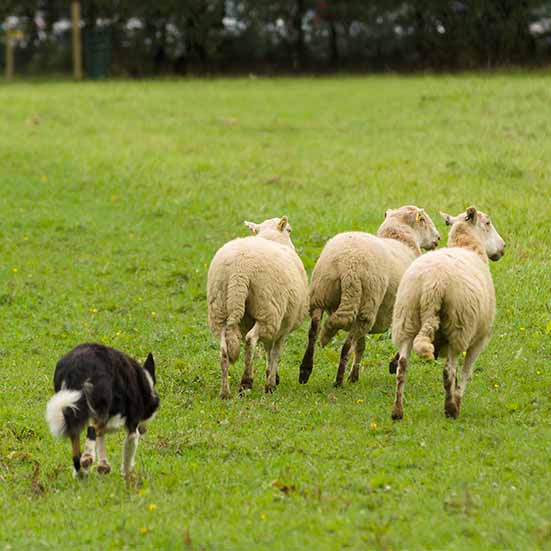
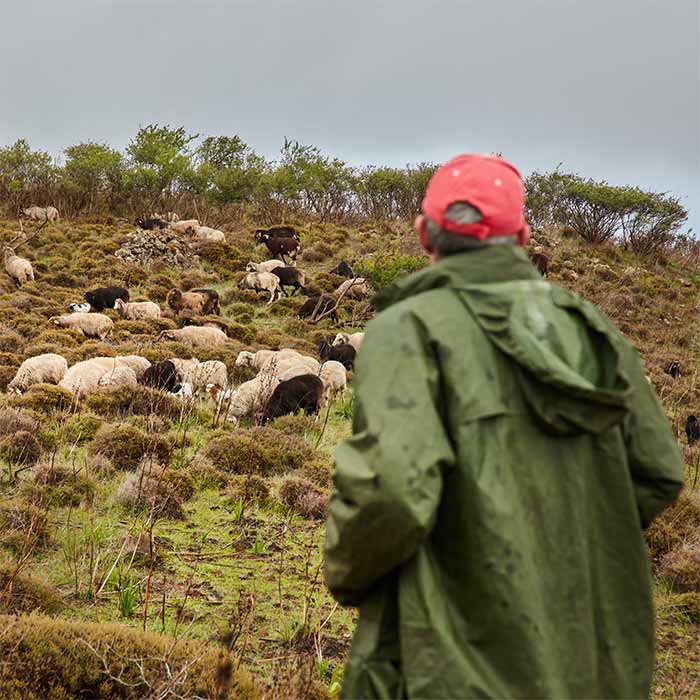
One of the oldest and most economically important dog jobs in Britain -- a farm worker with four legs.

Emergency

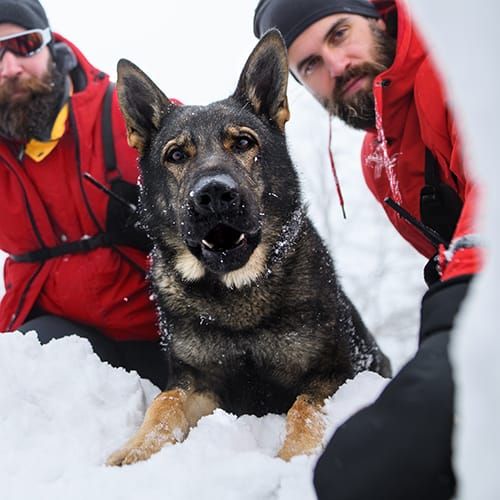
Search & rescue dogs

Air-scenting and trailing dogs that find missing people when time is running out.

Science

Conservation detection dogs

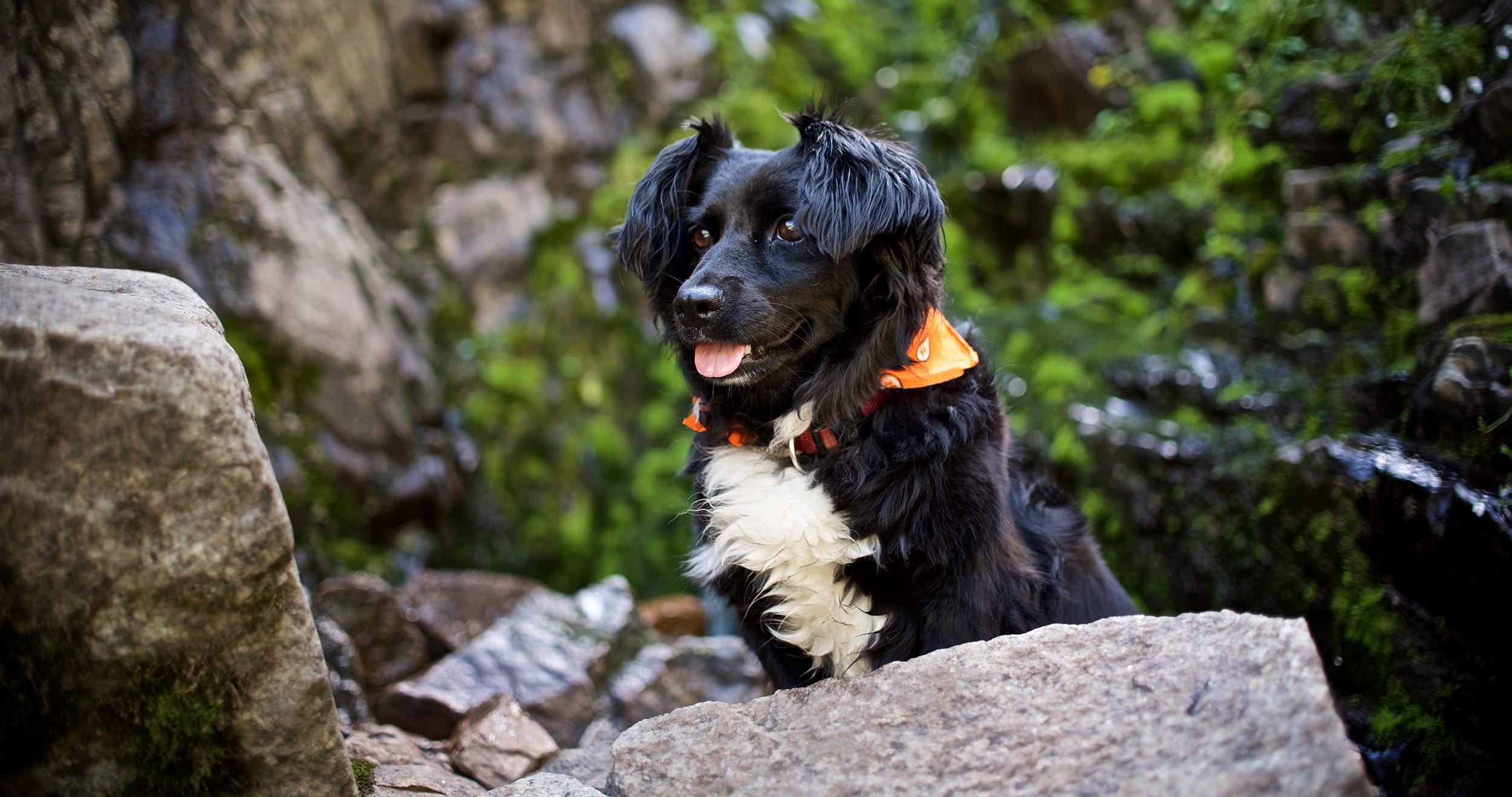
Finding newts, invasive species and tree disease that humans simply cannot see.

Wildcard

Water-leak detection dogs

Yes, really -- dogs that sniff out leaks in the water network. Almost nobody knows they exist.

Independence

Assistance & guide dogs

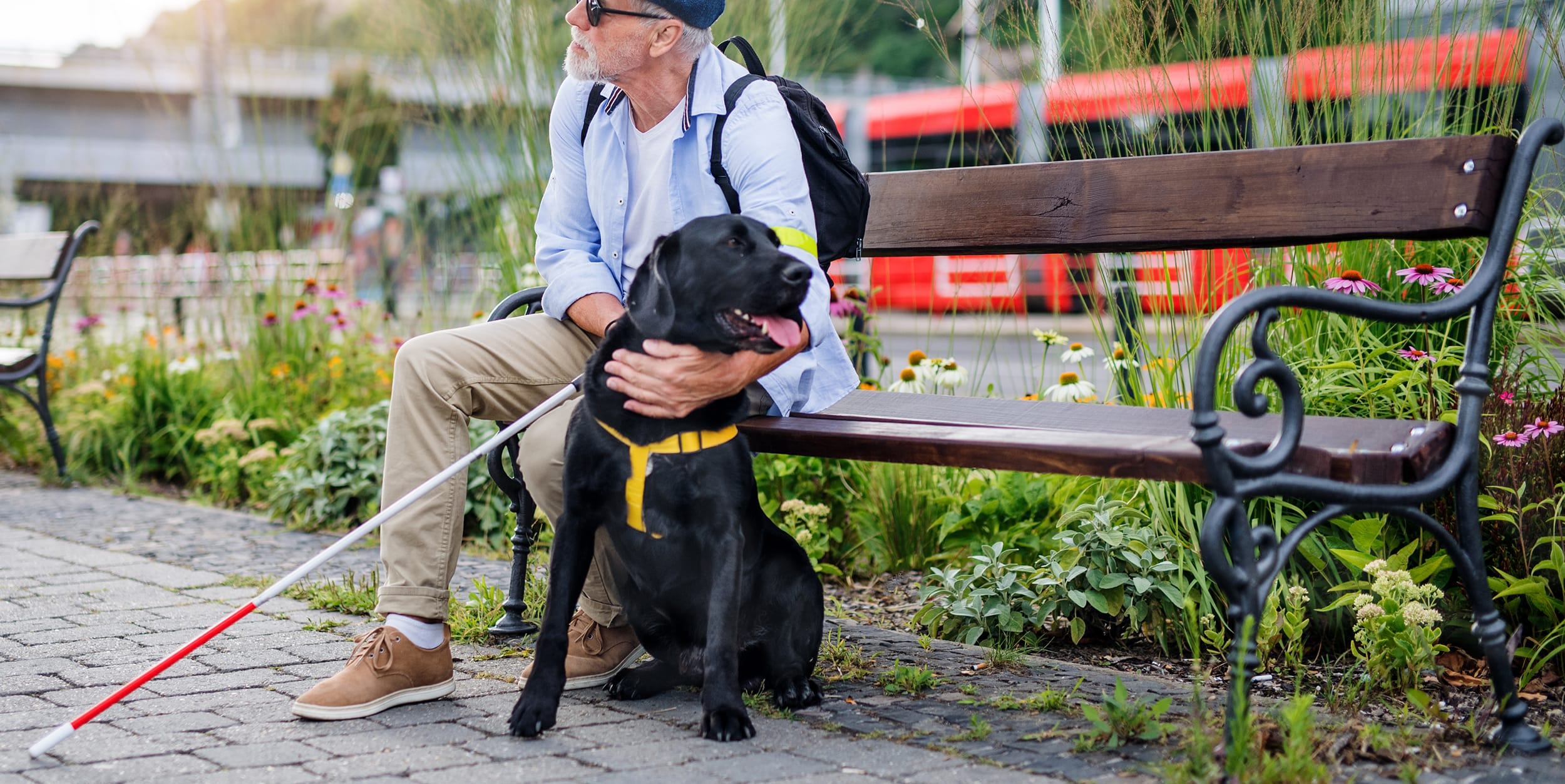
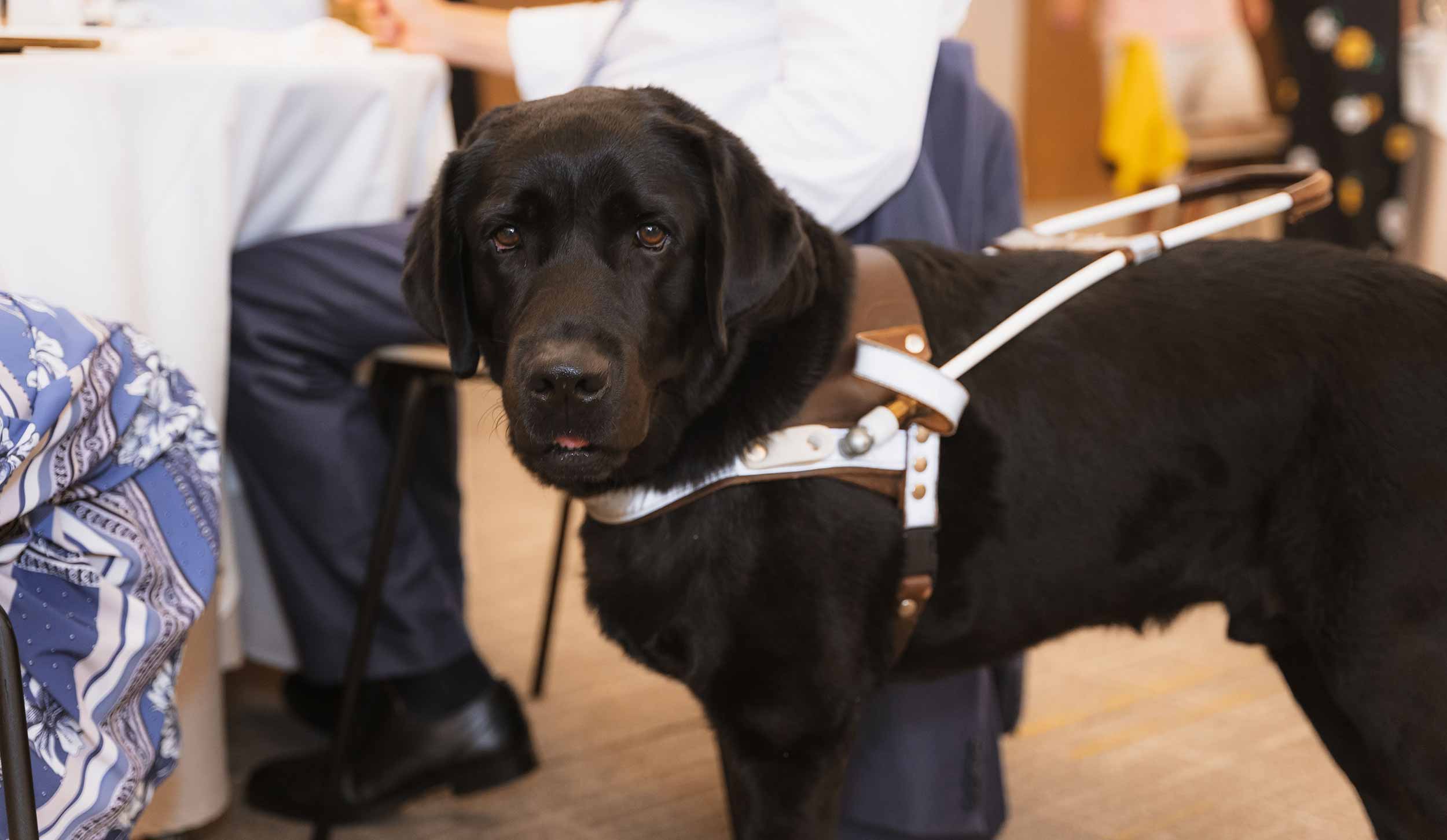
The clearest economic case of all: a life lived independently, measured in more than sentiment.